The parameters of the regulating valve mainly include flow characteristics, orifice, stroke, opening control, response time, etc. The goal of optimizing these parameters is to enable the regulating valve to achieve precise control, reduce energy consumption, and extend service life under different working conditions. To achieve the optimization of regulating valve parameters, it is necessary to start from the following aspects:
I. Clarify process requirements and working conditions
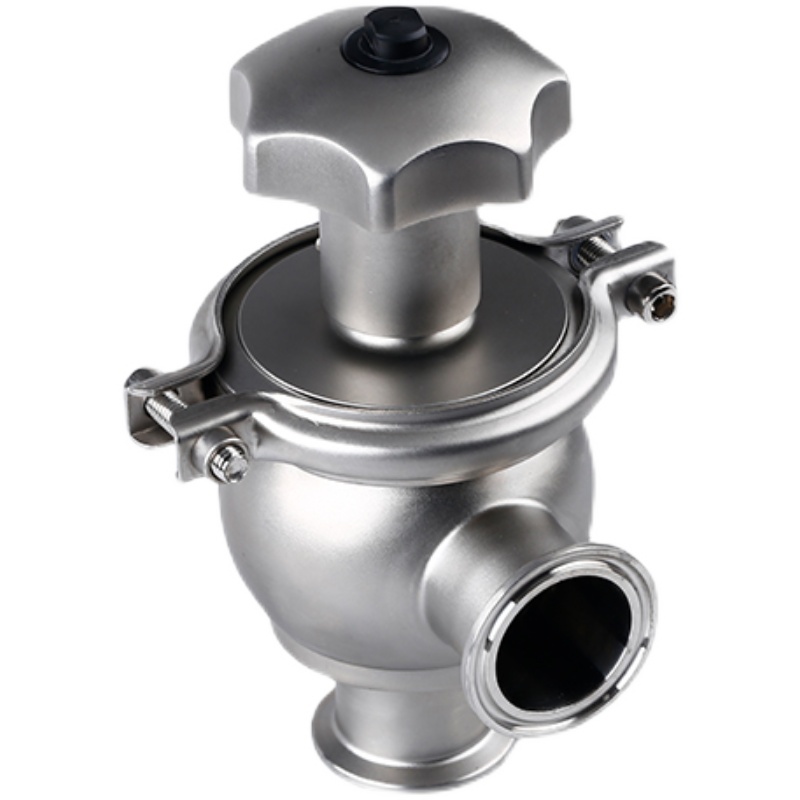
The first step in parameter optimization is to have a comprehensive understanding of the process flow and operating conditions of the system, including medium type, temperature, pressure, flow range, and control precision requirements. Only on the basis of fully mastering the working condition parameters can the appropriate type of regulating valve and its initial parameter settings be selected.
II. Choose the appropriate flow characteristics
The flow characteristics of the regulating valve determine the relationship between the valve opening and the flow rate passing through. Common ones include linear, equal percentage, and quick opening characteristics. Choosing the appropriate flow curve according to the control requirements of the system helps to improve the stability and response speed of the control system. For example, equal percentage characteristics are suitable for situations with large load changes, while linear characteristics are suitable for systems with high control precision requirements.
III. Reasonably determine the valve orifice
The selection of the regulating valve's orifice directly affects its regulating capacity and the pressure loss of the system. A large orifice can lead to poor control sensitivity and easy oscillation; a small one may restrict flow and increase energy consumption. It is usually necessary to calculate based on the maximum flow rate and pressure difference conditions of the system, and combine it with the standard orifice series for selection.
IV. Optimization of control signal and actuator parameters
Modern regulating valves mostly use electric or pneumatic actuators, which need to adjust the action time, dead zone, sensitivity, and other parameters of the actuator according to the type of control signal (such as 4-20mA or 0-10V) and the requirements for response speed. By means of PID parameter tuning and
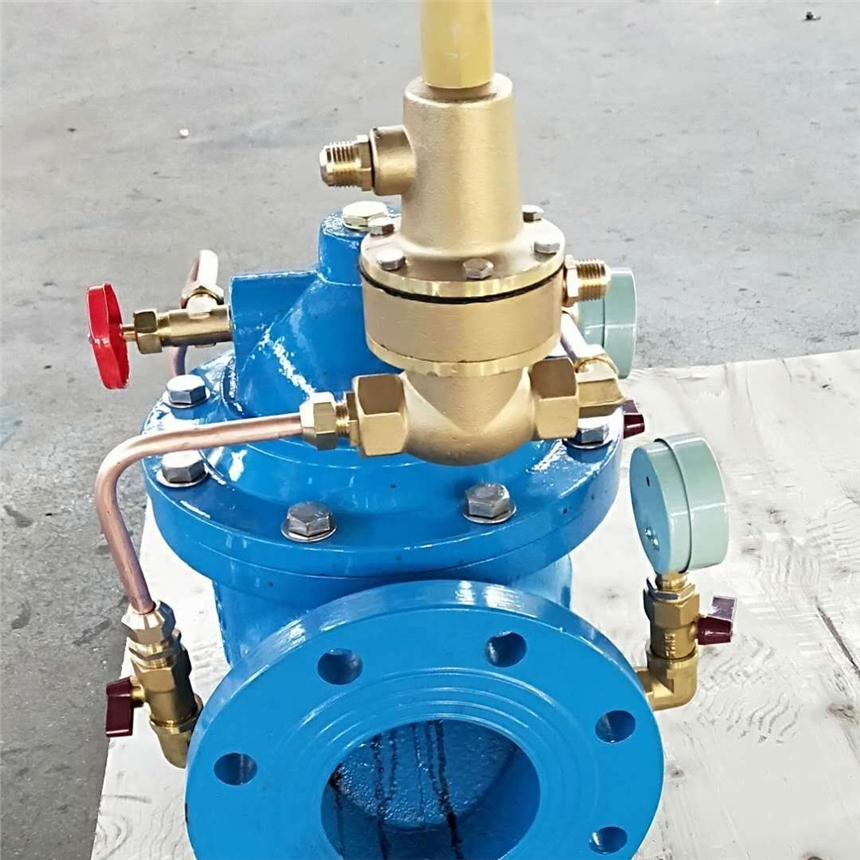
other methods, the dynamic response performance of the valve can be further improved.
V. Utilizing intelligent control and online optimization technology
With the development of
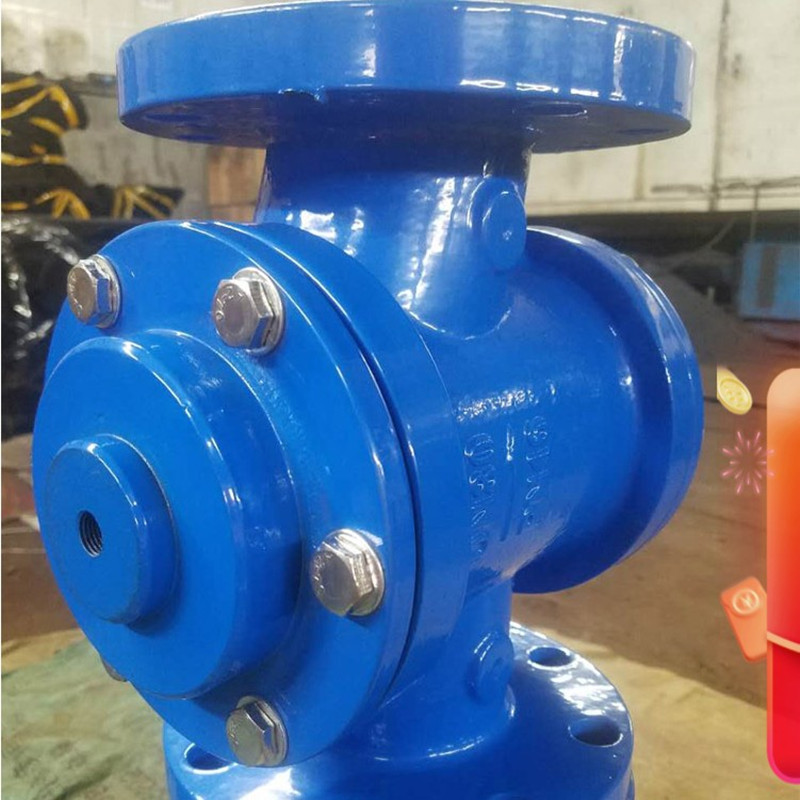
Industry 4.0, more and more regulating valve systems are introducing intelligent control algorithms and online optimization functions. For example, adaptive control strategies based on PLC or DCS can automatically adjust valve parameters according to real-time data to achieve dynamic optimization. In addition, by using big data analysis and artificial intelligence technology, it is also possible to predict the valve status and make parameter adjustments and maintenance in advance.
In summary, the optimization of regulating valve parameters is a systematic project, which requires comprehensive consideration from multiple dimensions such as process conditions, valve selection, and control strategies. Scientific and reasonable optimization of regulating valve parameters can not only improve the stability and efficiency of the production process, but also significantly reduce energy consumption and maintenance costs, and is an important link in realizing intelligent manufacturing and green production.

