In industrial production, regulating valves are indispensable key equipment in the control system, whose function is to maintain the stability of process parameters by regulating the flow of fluids. However, in the actual operation process, regulating valves often face the problem of
1. Analysis of the causes of regulating valve sticking
1. Impurity deposition or blocking: Solid particles, fibrous matter, or scaling substances in the fluid deposit inside the valve, causing the valve core, seat, or guide components to stick.
2. High medium viscosity or prone to crystallization: Some media crystallize or solidify when the temperature decreases or pressure changes, blocking the flow passage.
3. Corrosion and wear: During long-term operation, the internal parts of the valve may cause gap changes due to corrosion or wear, which in turn leads to sticking.
4. Actuator failure: Insufficient thrust of the actuator or abnormal feedback signal may also lead to incomplete valve operation and the phenomenon of 'false sticking'.
Two, Technical measures for anti-clogging and anti-sticking
To prevent the sticking of regulating valves, comprehensive protection measures can be taken from multiple aspects such as structural design, material selection, and operation and maintenance:
1. Optimize the valve structure design
- Adopt self-cleaning structure, such as V-type ball valve, eccentric rotating valve, etc., which can automatically remove impurities in the seat and channel during the opening and closing process.
- Use guide structure optimized valve core, such as double guide or multi-guide structure, to improve the stability of valve core movement.
- Design a large flow area to reduce the resistance of medium flow and avoid the accumulation of impurities.
2. Selection of appropriate materials and surface treatment technology
- The key components such as valve core and seat are made of corrosion-resistant and wear-resistant materials, such as
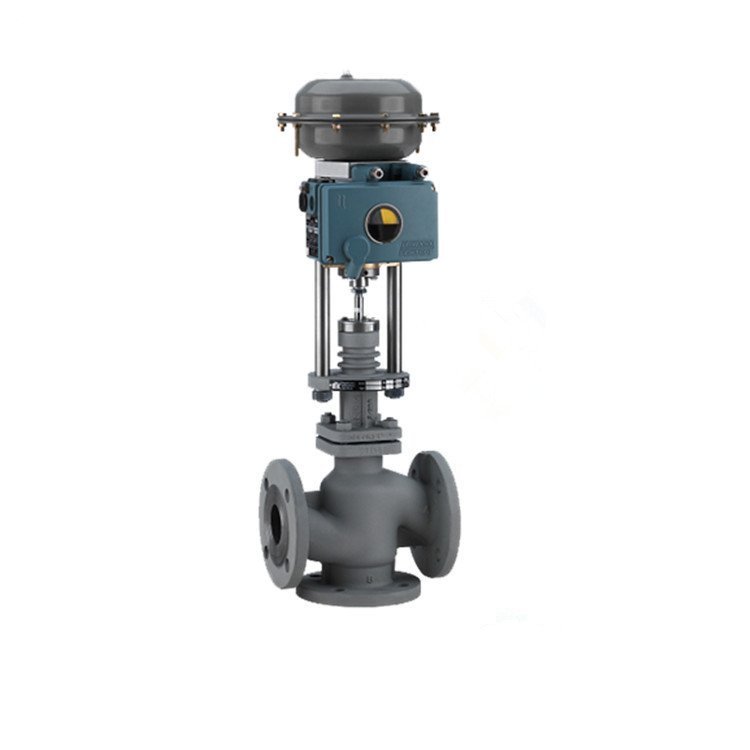
stainless steel, hard alloy, ceramic, etc.
- Perform hardening treatment (such as carbonitriding) or anti-corrosion coating on the surface to improve the wear resistance.
3. Strengthen
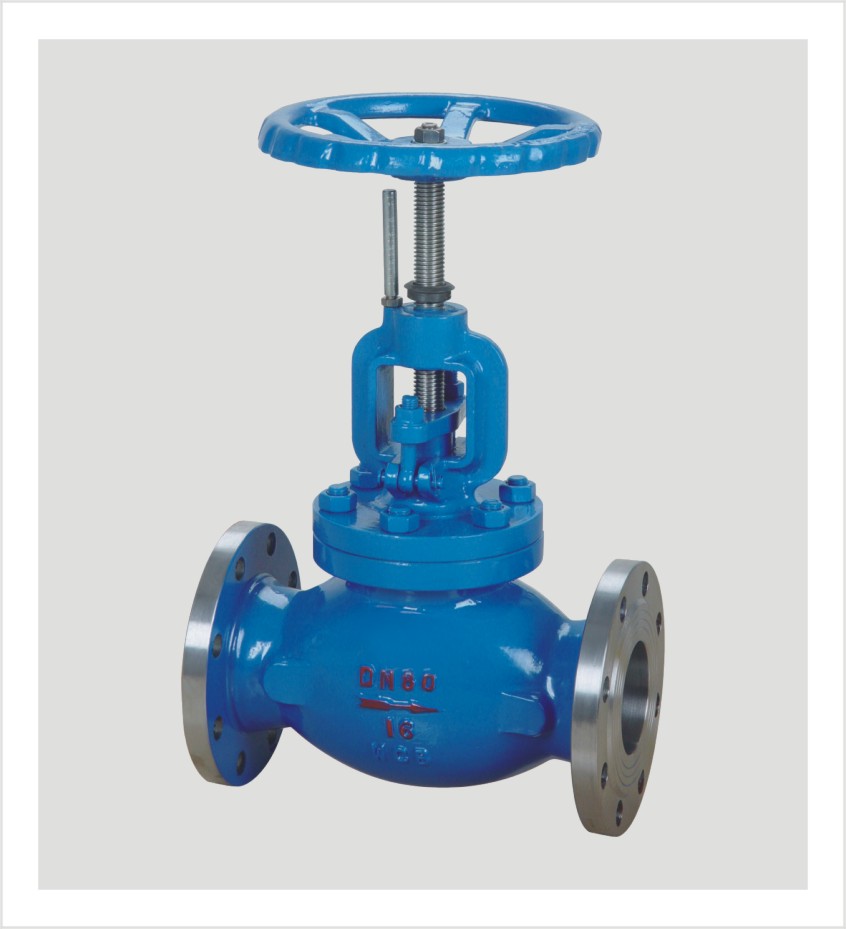
the pretreatment of the medium
- Install a filter or separator at the front of the valve to remove particles or impurities in the fluid in advance.
- For media that are prone to crystallization, you can set up a heating system or insulation measures to prevent the medium from crystallizing inside the valve.
4. Reasonable configuration of the actuator
- Choose the appropriate actuator according to the actual working
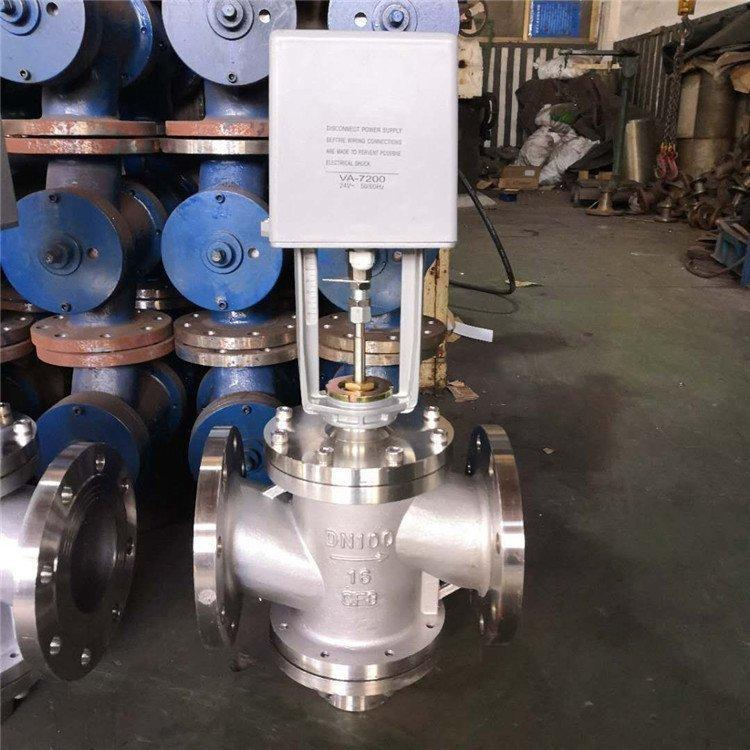
condition to ensure sufficient thrust or torque to drive the valve core.
- Equip with intelligent locator and feedback device to achieve accurate control and status monitoring of valve operation.
5. Regular maintenance and on-line cleaning
- Establish a regular inspection and cleaning system to promptly find and deal with hidden dangers of clogging.
- Under the system's permission, set up an on-line backwashing system to periodically clean the inside of the valve.
Three, Conclusion
The 'anti-clogging' problem of the regulating valve is not only related to the operation efficiency of the equipment itself, but also directly affects the stability and safety of the entire process system. With the improvement of industrial automation level, the design and control technology of regulating valves is also constantly advancing. In the future, intelligent monitoring, remote diagnosis, and predictive maintenance methods will help to further improve the reliability of regulating valves and achieve the true meaning of 'anti-clogging and anti-sticking'. Enterprises should attach great importance to the selection, installation, use, and maintenance of each link, build a comprehensive protection system from the source, and ensure the safe operation of production.

