In the process of chemical production, process adjustment is an important link to ensure product quality, improve production efficiency, and ensure production safety. Chemical process adjustment refers to controlling various operational parameters, such as temperature, pressure, flow rate, and concentration, to make the entire production system stable and achieve the expected process objectives.
Firstly, adjusting temperature is one of the most basic and crucial links in the chemical process. Many chemical reactions are extremely sensitive to temperature, and both high and low temperatures can lead to a decrease in reaction rate, an increase in by-products, and even trigger safety accidents. Temperature control is usually achieved by adjusting the flow rate and temperature of heating or cooling media. For example, in reaction vessels, it is often adopted to regulate the reaction temperature by introducing hot water or cooling water through jacket or coil.
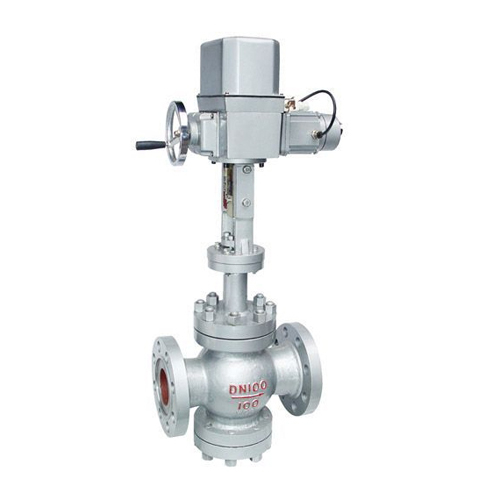
Secondly, the adjustment of pressure should not be ignored. Reactions and separation operations carried out under pressurized or depressurized conditions are very sensitive to pressure changes. Common methods include adjusting the valve opening, using
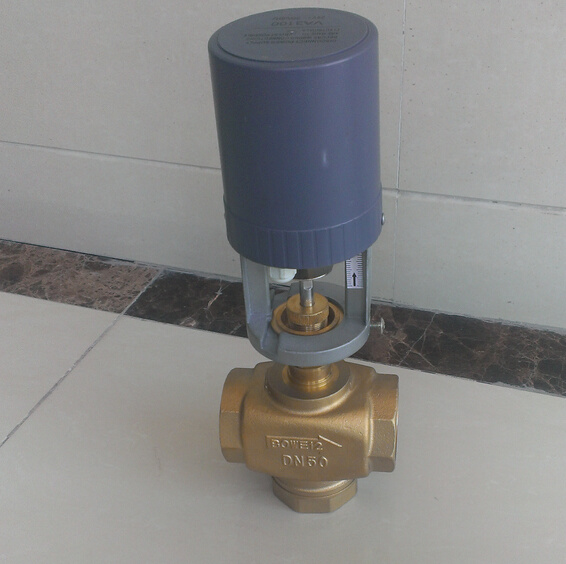
compressors or vacuum pumps to maintain the system pressure within the set range. For example, maintaining constant pressure inside the distillation tower helps to improve the separation efficiency and product purity.
The adjustment of flow rate directly affects the supply of materials and the reaction rate. By adjusting the speed of the pump or controlling the opening of the valve, precise control of the material flow rate can be achieved. Automation control systems (such as DCS systems) play an important role in this process, enabling real-time monitoring and adjustment of
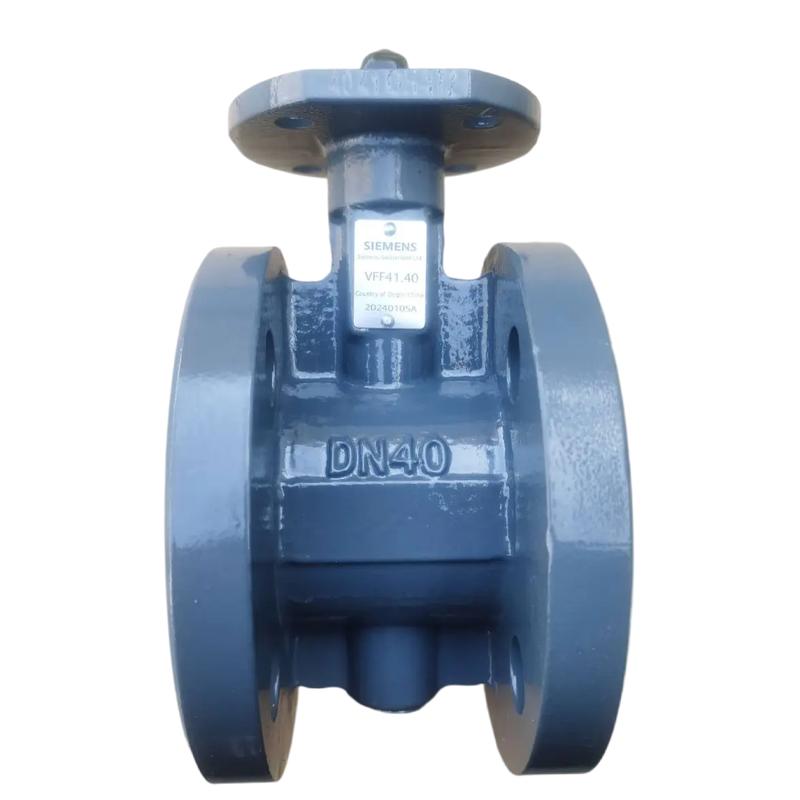
multiple parameters.
In addition, the adjustment of concentration is often achieved by adjusting the feed ratio or reflux ratio. For example, in distillation operations, reasonable
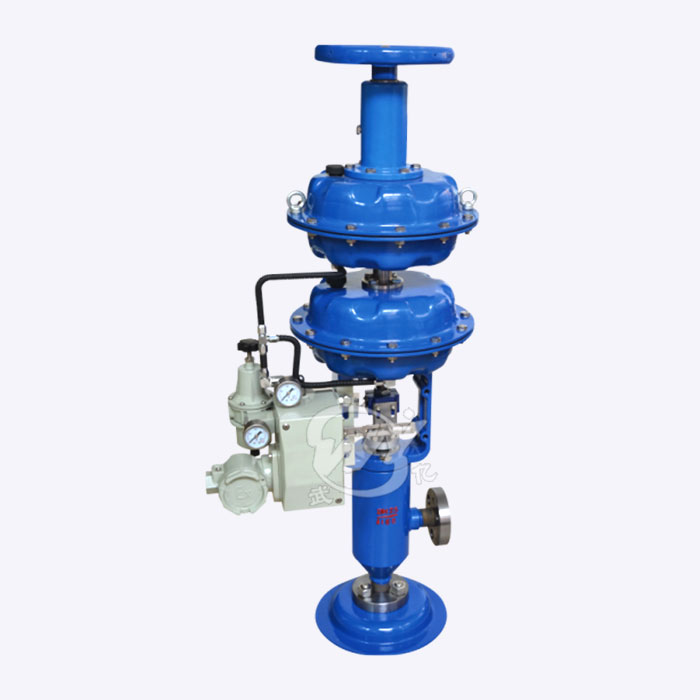
adjustment of the reflux ratio can effectively control the purity of the
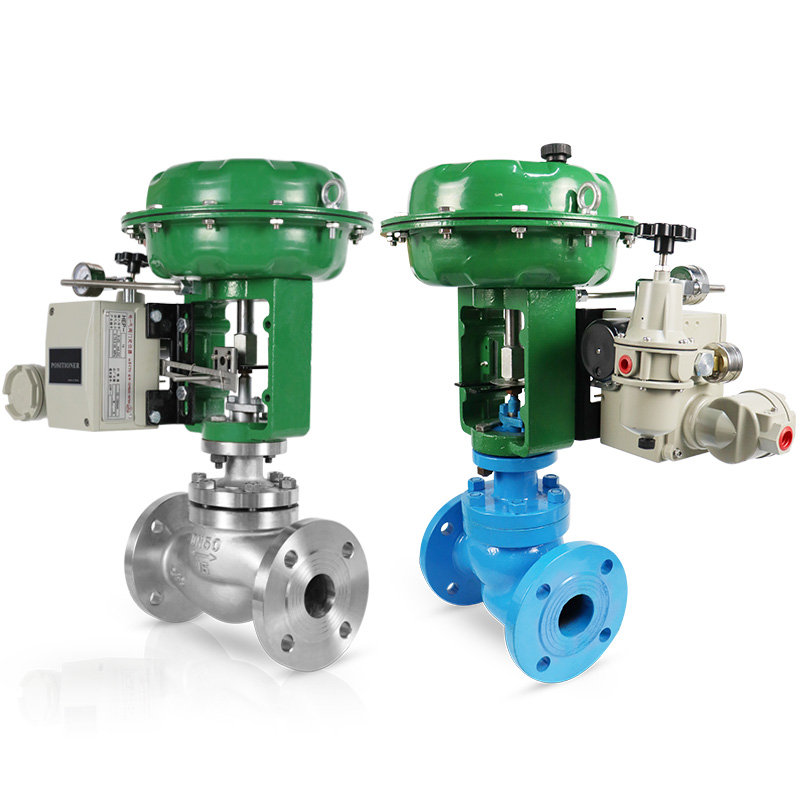
products at the top
and bottom of the tower.
In general, the adjustment of chemical processes is a systematic engineering, which requires comprehensive consideration of multiple factors such as temperature, pressure, flow rate, and concentration, and combines automation control technology to achieve efficient and stable production operation. With the development of Industry 4.0, the application of intelligent control systems in chemical processes will become more and more extensive, providing strong support for the realization of green, efficient, and intelligent chemical production.

