In industrial production, as an important part of the fluid control system, the performance of regulating valves directly affects the stability and safety of the entire system. With the enhancement of environmental awareness, low-noise regulating valves have gradually become a hot spot in design and application. This article will discuss the design methods of low-noise regulating valves from aspects such as structural design, material selection, and control strategies.
1. Design Principles of Low-Noise Regulating Valves
During the operation of the regulating valve, fluid passing through the valve will produce phenomena such as eddies, shearing, and cavitation, which can cause noise. The core of the design of low-noise regulating valves lies in controlling the fluid velocity and pressure distribution to reduce the generation of these noise sources. Typically, designers will adopt multi-stage pressure reduction, flow channel optimization, and porous throttle methods to achieve the noise reduction effect.
2. Structural Optimization Design
1. Multi-stage
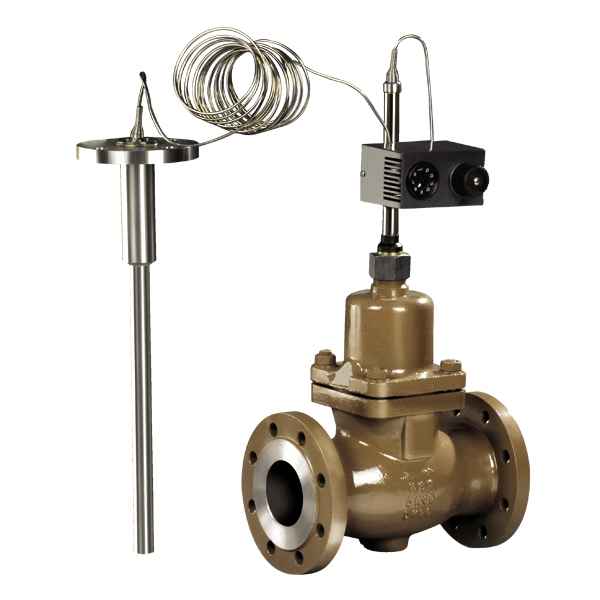
Pressure Reduction Structure
To prevent the fluid from producing an excessive pressure gradient in a short period of time, a multi-stage pressure reduction method can be adopted to distribute the pressure difference to multiple stages, thus reducing the speed of pressure change at each stage and reducing the generation of noise.
2. Flow Channel Shape Optimization
By simulating and analyzing the internal flow channel of the valve through CFD (Computational Fluid Dynamics), the shape of the flow channel is optimized to make it more in line with fluid dynamics laws, reducing the formation of turbulence and vortices, thus reducing noise.
3. Porous
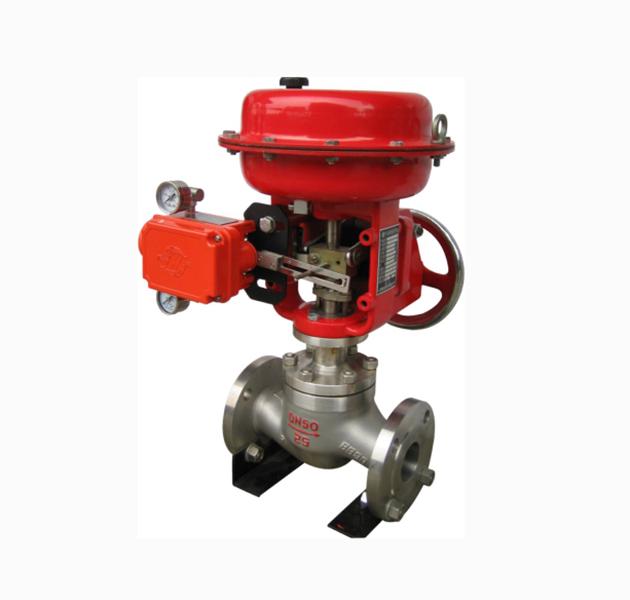
Throttle Design
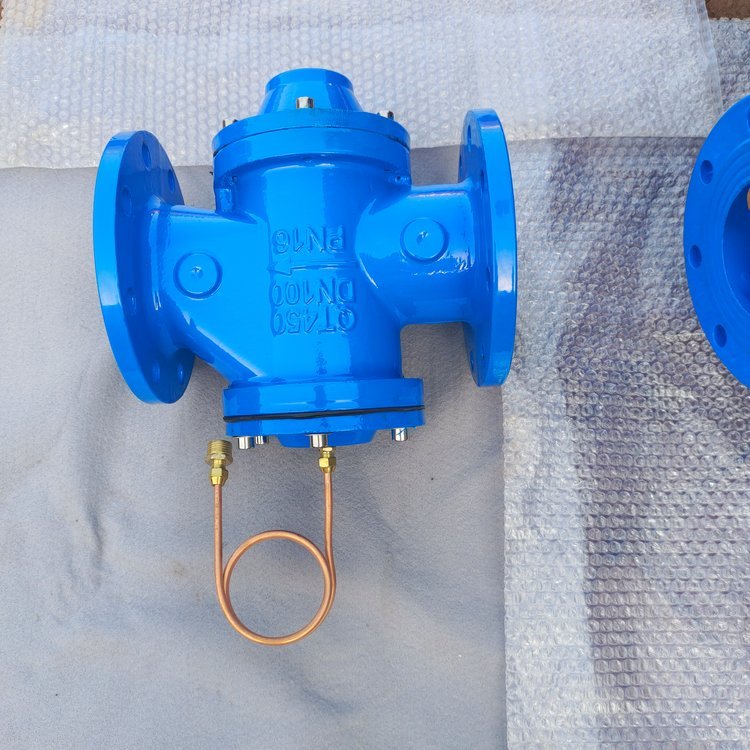
Multiple small holes are designed on the valve core or seat to allow fluid to pass through evenly, avoiding high-noise areas caused by concentrated flow. This design can not only effectively reduce noise but also improve the controllability and stability of the regulating valve.
3. Selection of Materials and Manufacturing Processes
The selection of materials is also crucial in the design process of low-noise regulating valves. Materials with good wear resistance, corrosion resistance, and acoustic performance, such as stainless steel and special alloys, should be selected to reduce additional noise caused by material fatigue or wear. In addition, precision machining and surface treatment technologies can also effectively reduce the noise generated by fluid friction.
4. Collaborative Design of Control Systems
In addition to optimizing the mechanical structure, the introduction of intelligent control systems can also further reduce noise. By means of PID control, frequency conversion control, and other methods, the opening of the regulating valve is precisely adjusted to avoid fluid impact noise caused by the sudden opening or closing of the valve.
5. Application Examples and Development Trends
Currently, low-noise regulating valves are widely used in industries such as chemical engineering, electricity, metallurgy, and others. With the development trend of intelligent manufacturing and green manufacturing, the future regulating valves will move towards intelligence, modularization, and low energy consumption. Low-noise design will also become the standard configuration of regulating valve products.
In summary, the design of low-noise regulating valves
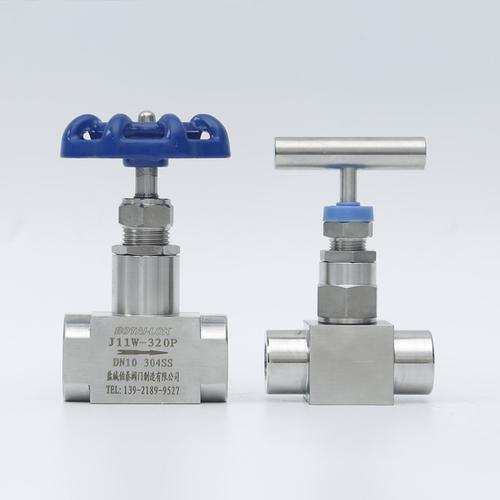
is a systematic project, which requires comprehensive optimization from multiple aspects such as structure,
material, process, and control. Only by considering noise control issues at the initial stage of design can we truly achieve the goals of efficient, environmentally friendly, and stable fluid control.

