In industrial production, heat exchangers are important equipment for heat exchange, and control valves, as the key components for controlling the flow rate and temperature of the medium, are crucial in matching with heat exchangers. Rational selection and matching of control valves can not only improve the heat exchange efficiency but also effectively extend the service life of the equipment, ensuring the stability and energy-saving performance of the system. This article will discuss the selection principles of control valves, key matching points, and their application in heat exchange systems.
One, Basic Function of the Regulating Valve
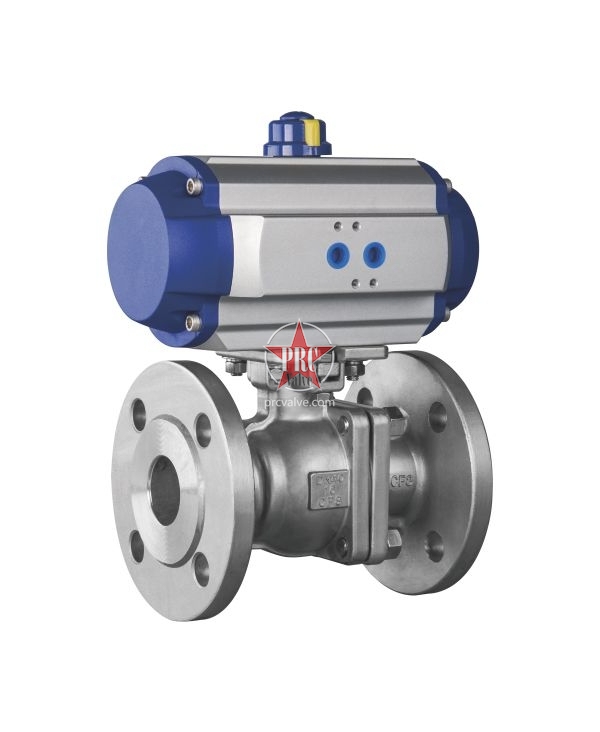
The main function of the regulating valve is to automatically regulate the flow of the medium according to the signal issued by the control system, thereby controlling parameters such as temperature and pressure. It usually consists of two parts: the actuator and the valve body. The actuator is responsible for receiving the control signal and driving the valve core movement, while the valve body realizes the regulation of flow according to the design structure.
Two, Matching Principles of Heat Exchangers and Regulating Valves
1. Flow Characteristic Matching
The flow characteristics of the regulating valve should be consistent with the working characteristics of the heat exchanger. Common flow characteristics of regulating valves include
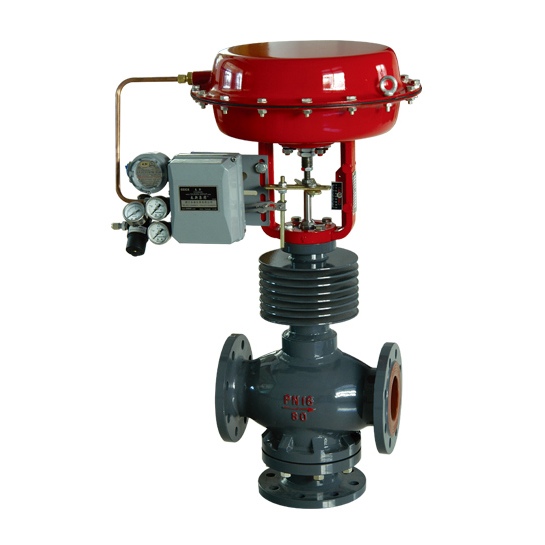
linear, equal percentage, and quick opening. Among them, the equal percentage characteristic regulating valve is suitable for occasions with large load changes, can achieve more precise control, and is the preferred choice for heat exchange systems.
2. Flow Coefficient (Cv Value) Calculation
Cv value is an important parameter to measure the flow capacity of the regulating valve, which determines the flow rate of the fluid passing through the valve under a certain
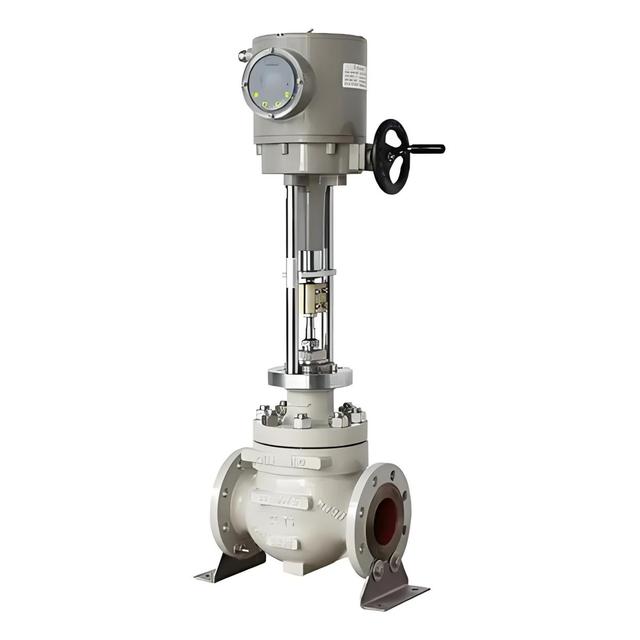
pressure difference. When matching the regulating valve, it is necessary to accurately calculate the required Cv value according to the design flow rate of the heat exchanger, the pressure difference at the inlet and outlet, and leave an appropriate margin to deal with fluctuations in actual operation.
3. Pressure Loss Control
During the operation of the regulating valve, a certain amount of pressure loss will be generated. If the selection is not appropriate, it may lead to a decrease in system efficiency or a reduction in control accuracy. Therefore, it is recommended to choose valves with less pressure loss while ensuring control accuracy.
4. Material and Medium Compatibility
The media passing through the heat exchanger are diverse, such as steam, hot water, oil, corrosive liquids, etc. The material of the regulating valve should match the characteristics of the medium to prevent corrosion, wear, or leakage and other problems.
Three, Common Problems and Countermeasures in the Matching Process
- Improperly selected regulating valve size: Too large may lead to in-sensitive control and increased energy consumption; too small may not meet the flow requirements. The solution is to make accurate calculations based on accurate process parameters.
- Mismatched response speed: Some regulating valves have slow response speeds, which are difficult to adapt to the rapid changes in the working conditions of the heat exchanger. Electric or pneumatic actuators can be selected to improve the response speed.
- Inconsistent control methods: Modern heat exchange systems mostly adopt centralized control by PLC or DCS, and it is necessary to ensure that the control signal of the regulating valve (such as 4-20mA) is compatible with the control system.
Four, Application Case Analysis
A certain chemical plant's steam heat exchange system originally used manual regulating valves, resulting in large temperature fluctuations and high energy consumption. Later, it was changed to an intelligent electric regulating valve with equal percentage flow characteristics, combined with a PLC control system, which realized precise temperature regulation and energy-saving operation. This case shows that reasonable selection of regulating valves and system integration can significantly improve the overall operating efficiency.
Five, Conclusion
In summary, the good match between the regulating valve and the heat exchanger is a key factor in ensuring the efficient and stable operation of the heat exchange system. During the actual application process, various factors such as flow characteristics, Cv value, pressure loss, and medium characteristics should be comprehensively considered, and a scientific selection and reasonable configuration should be made to achieve the optimal control and energy-saving goals of the system. With the development of automation control technology, the application of intelligent regulating valves will bring higher control accuracy and operation and maintenance convenience to the heat exchange system.

