As a key actuator in industrial automation systems, the regulating valve is widely used in industries such as oil, chemical, power, and metallurgy, and its stability and control accuracy directly affect the operation efficiency and safety of the entire system. With the continuous improvement of industrial automation levels, traditional physical testing methods are no longer able to meet the high requirements of complex systems for the performance verification of regulating valves. Therefore, Hardware-in-the-Loop (HIL) testing technology has gradually become an important means for evaluating the performance of regulating valves.
One, Basic Principles of Hardware-in-the-loop Testing
Hardware-in-the-loop (HIL) testing is a testing method that combines real hardware with a virtual simulation model. Its core idea is to connect the device to be tested (such as a control valve) with a real-time simulation system, simulate the industrial environment of the control valve (such as pressure changes, temperature fluctuations, control system commands, etc.) through the simulation system, and thus conduct dynamic testing and verification of the control valve under conditions close to actual working conditions.
The HIL testing system typically consists of a real-time simulation platform, signal interface module, control software, and the hardware under test (control valve). The simulation platform is responsible for simulating the entire process flow connected to the valve, including upstream pressure sources, downstream loads, and control systems; the signal interface realizes data interaction between the real hardware and the simulation model; the control software is used to monitor the testing process and analyze test data.
Two, Advantages of HIL Testing for Control Valves
1. Improves testing efficiency and safety
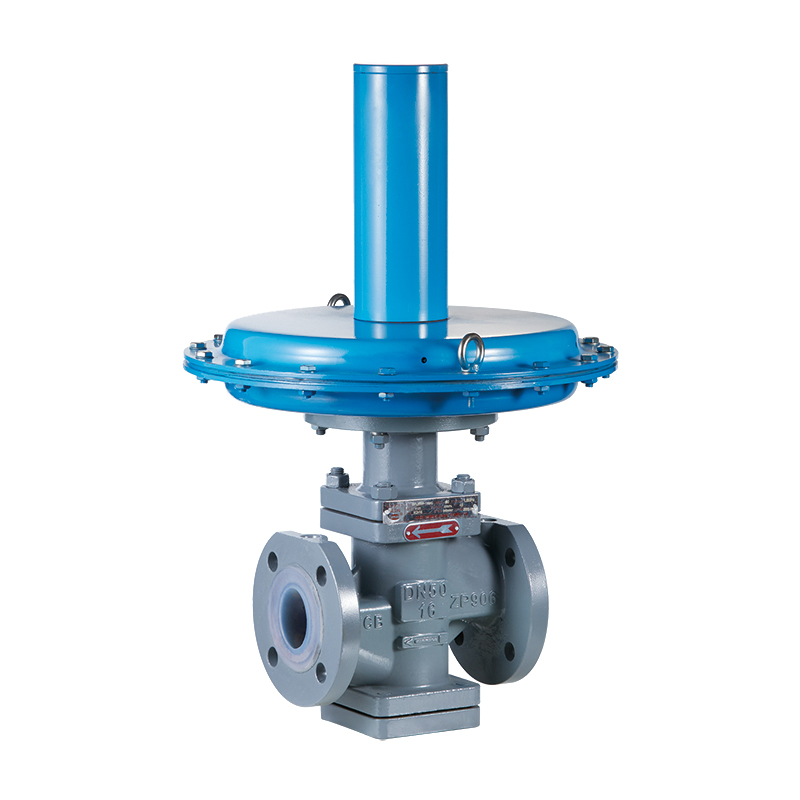
HIL testing does not require the construction of a real process system, avoiding the high cost and high risk associated with physical testing, especially in high temperature, high pressure, or hazardous medium environments. HIL testing can effectively ensure the safety of personnel and equipment.
2. Supports complex working condition simulation
The HIL platform can flexibly simulate various normal and abnormal working conditions, such as sudden changes in flow rate, control signal interruption, and pressure fluctuations, thereby comprehensively testing the response capability and stability of the control valve under extreme conditions.
3. Facilitates integration testing and fault diagnosis
The HIL system supports seamless integration with control systems such
as DCS and PLC, and can verify the collaborative performance of the control valve with the upper control system in closed-loop control. It also has real-time data collection and fault injection functions, which help to quickly locate problems.
Three, Implementation Steps of HIL Testing for Control Valves
1. Establish a mathematical model: According to the structural parameters and fluid dynamic characteristics of the control valve, establish a high-precision dynamic model.
2. Build a HIL testing platform: Select appropriate real-time simulators and I/O interfaces, and complete the electrical connection with the control valve.
3. Set up test scenarios: Configure simulation model parameters to simulate the operating environment under different working conditions.
4. Execute closed-loop testing: Connect the control valve to a closed-loop control system for dynamic response testing.
5. Data Analysis and Optimization: Collect test data, analyze the response speed, steady-state error, leakage rate, and other key indicators of the control valve, and optimize the design or control strategy accordingly.
Four, Conclusion
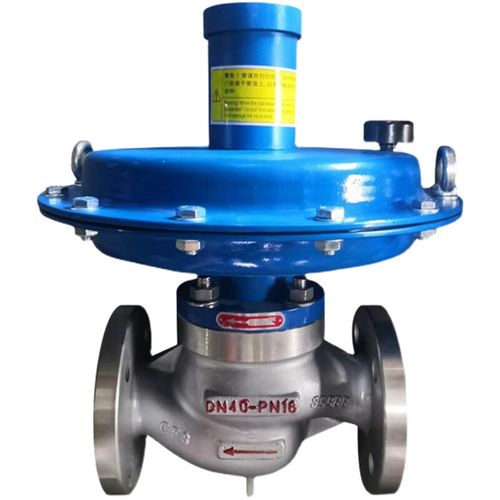
With the development of Industry 4.0, control valves, as an indispensable execution unit in industrial automation systems, are increasingly required for intelligence and reliability. Hardware-in-the-loop (HIL) testing technology provides an efficient, safe, and flexible solution for the development, verification, and maintenance of control valves. In the future, with the integration of digital twin technology and artificial intelligence algorithms, HIL testing will play a more important role in the field of control valve testing, helping industrial automation systems to move towards a higher level of intelligent development.

