The proportional air servo valve for aviation is a key actuating element in modern aviation control systems, widely used in aircraft attitude control, engine adjustment, landing gear system, and other occasions requiring high-precision aerodynamic control. It combines the proportional control technology with the high-performance response characteristics of servo valves, enabling continuous and precise control of the aerodynamic actuating mechanism.
One, Basic Structure and Working Principle of the Proportional Air Servo Valve for Aviation
The proportional air servo valve for aviation is usually composed of electromagnetic proportional coils, slide valves, feedback mechanisms, and air pathways. Its core lies in controlling the magnetic force generated by the electromagnetic coil through electrical signals, thereby driving the slide valve to move, regulating the opening and closing of the air pathway and flow, and thus achieving precise control of the displacement or force of the actuator (such as cylinders, actuators).
Different from the traditional on-off pneumatic valve, the proportional servo valve can achieve 'gas supply on demand', that is, output the corresponding air pressure or flow according to the size of the control signal. This continuous control method greatly improves the control accuracy and dynamic
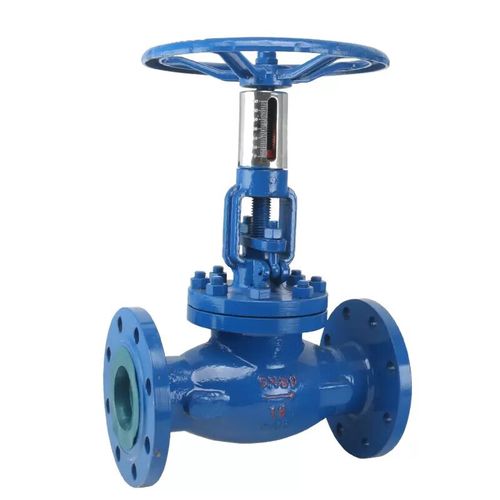
response ability of the system, especially suitable for occasions in the aviation field that require extremely high control stability.
Two, Technical Features and Advantages
1. High Responsiveness: The structural design of the servo valve enables it to have a fast response speed, completing command actions within milliseconds, meeting the needs of rapid attitude adjustment of the aircraft.
2. High Precision Control: Through a closed-loop feedback system, the proportional servo valve can achieve precise positioning of the pneumatic actuator, with errors typically controlled at the micron level.
3. Good Dynamic Performance: During the flight process, the aircraft faces complex aerodynamic environmental changes, and the proportional servo valve has good dynamic adaptability, able to quickly adjust the output and maintain system stability.
4. Lightweight and Compact Design: To meet the high requirements of weight and space in aviation applications, modern
proportional servo valves commonly use high-performance lightweight materials and optimize internal structures to achieve high-efficiency output in a smaller volume.
Three, Application Fields
In modern aviation systems, the proportional air servo valve
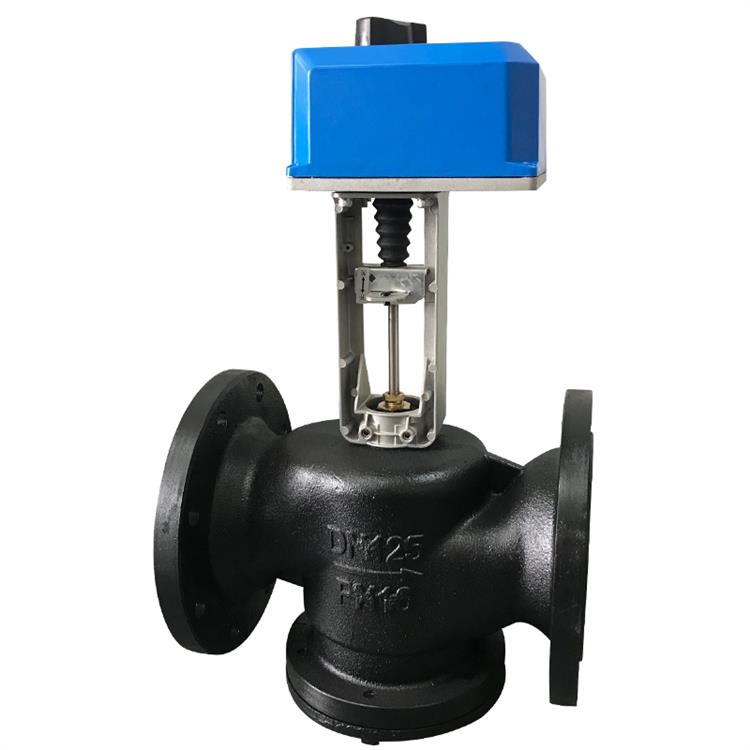
is widely used in the following
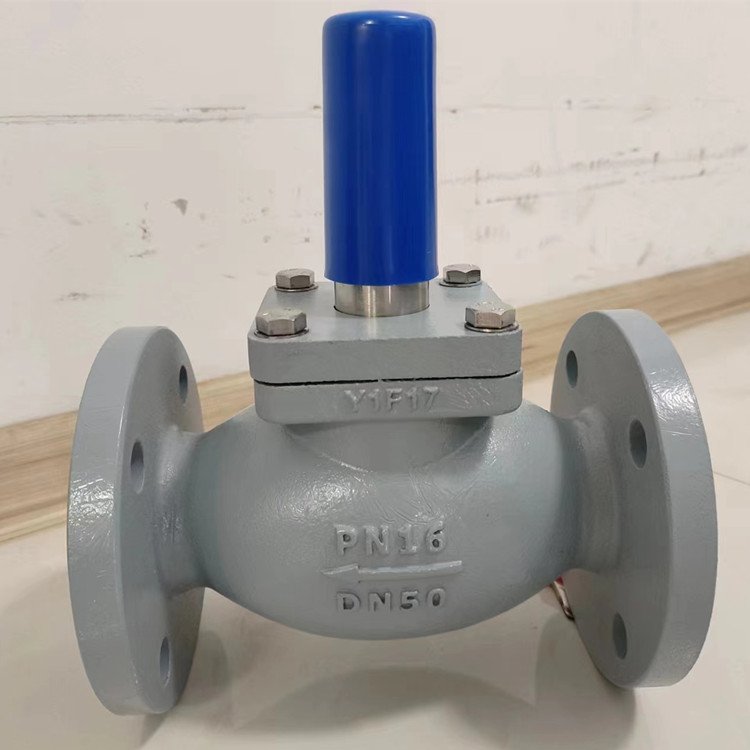
aspects:
- Flight Control System: Used for the position control of control surfaces (such as ailerons, elevators, rudders) to improve flight stability and control accuracy.
- Engine Control System: Precisely controls engine intake volume, fuel ratio, and other parameters to enhance engine efficiency and reliability.
- Landing Gear and Braking System: Assists in
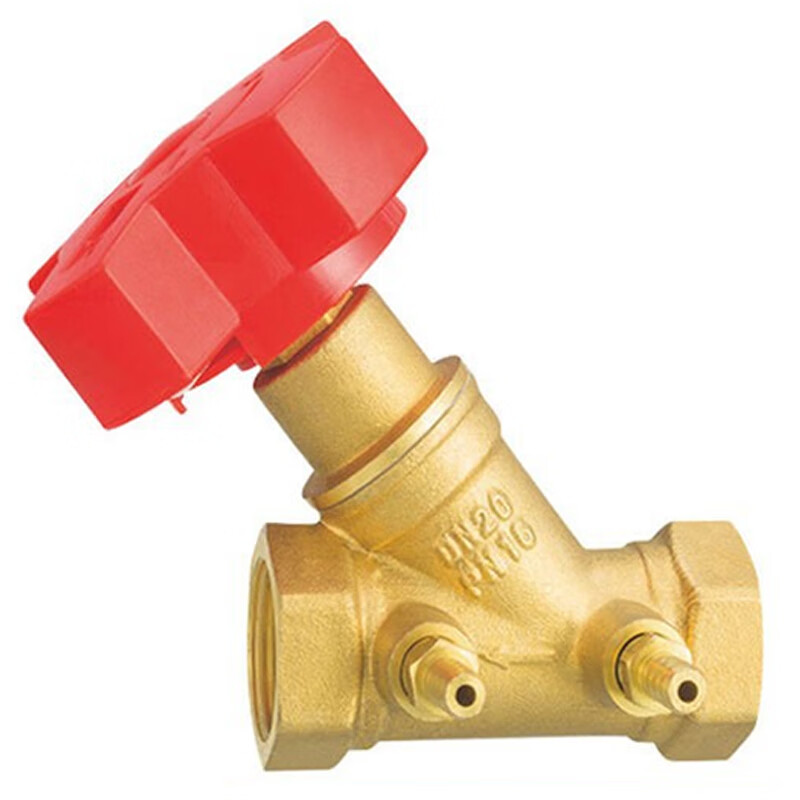
the smooth retraction and extension of the landing gear and precise control of braking pressure.
- Auxiliary Power Unit (APU): Used to adjust airflow and pressure distribution during ground start of the aircraft and emergency power supply at high altitude.
Four, Future Development Trends
With the development of aviation technology towards intelligence and digitization, the future proportional air servo valve will pay more attention to integration with digital control systems (such as flight control computers). At the same time, the application of new materials, intelligent sensing technology, and adaptive control algorithms will further improve its control accuracy, durability, and environmental adaptability.
In summary, as the 'nerve endings' of modern aircraft control systems, the proportional air servo valve plays an irreplaceable role in enhancing flight safety, maneuverability, and system reliability. Its continuous progress will also promote the entire aviation industry to a higher level of development.

