The emergency shut-off valve (Emergency Shut-Off Valve, abbreviated as ESV) is a widely used safety device in industrial systems, mainly used to quickly cut off the flow of medium under abnormal working conditions to prevent the expansion of accidents and ensure the safety of equipment and personnel. Its action mechanism usually involves the collaborative operation of sensors, control systems, and actuators to ensure a quick and reliable response to emergencies.
1. Basic composition of emergency shutdown valves
The emergency shutdown valve is mainly composed of the following several parts:
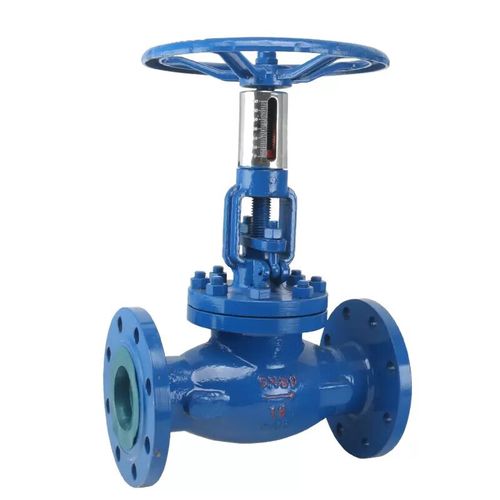
1. Valve body: The core component used to control the flow of the medium, commonly including ball valves, gate valves,
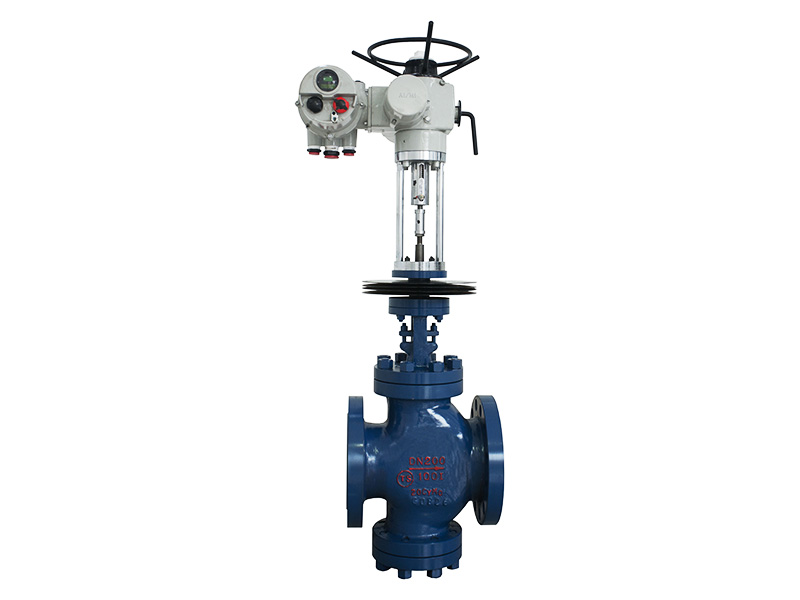
butterfly valves, etc.
2. Actuator: Provides the power required for the valve to open or close, which can be electric, pneumatic, hydraulic, or electromagnetic drive.
3. Control system: Receives signals from sensors and determines whether to trigger the cutting action.
4. Sensing devices: Such as pressure sensors, temperature sensors, flame detectors, gas leakage detectors, etc., used to monitor abnormal signals.
2. The working principle of emergency shutdown valves
When the system is operating normally, the emergency shutdown valve is usually in the open position, with the medium flowing normally. Once an abnormal condition (such as overpressure, high temperature, leakage, fire, etc.) occurs, the sensing device will detect an abnormal signal and transmit the signal to the control system. The control system judges whether to trigger the cutting action based on the preset logic.
Once the decision to cut off is made, the control system will send an action command to the actuator. For example:
- In pneumatic actuators, the control system releases the gas source pressure, causing the spring or reverse air pressure to push the valve core to close;
- In electric actuators, the motor-driven mechanism makes the valve close quickly;
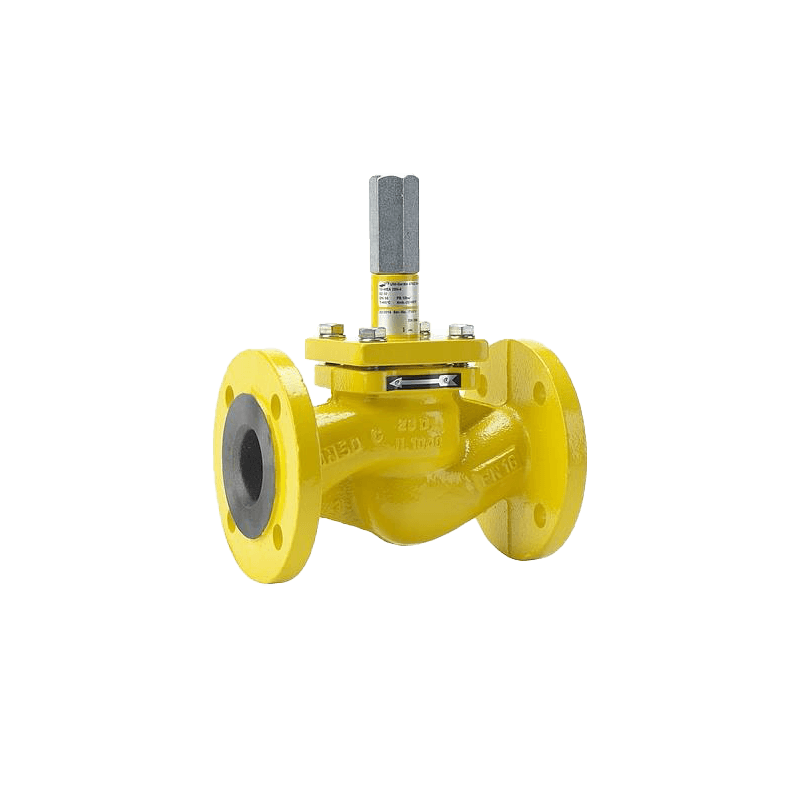
- In electromagnetic emergency shutdown valves, power failure will cause the disappearance of electromagnetic force, and the spring action will cause the valve to close immediately.
The entire action process is usually very rapid, generally completed within a few seconds to minimize the leakage or diffusion of hazardous media as
much as possible.
3. Typical application scenarios
1. Petroleum and chemical industry: Used to cut off the flow of flammable and explosive media (such as natural gas, liquefied petroleum gas, gasoline, etc.) to prevent fires or explosions from expanding.
2. Gas system: Installed in gas pipelines, automatically closes when gas leakage or an earthquake is detected.
3. Industrial boilers and pressure vessels: Used to cut off fuel supply in case of overpressure or abnormal temperature, preventing equipment damage.
4. Automated production line: As part of the safety interlock, quickly cut off the power source in the event of equipment failure or personnel误operation.
4. Maintenance and Testing of Emergency Shutdown Valves
To ensure that the emergency shutdown valve can reliably operate at critical moments, regular maintenance and testing must be carried out. Including:
- Regularly inspect the flexibility of the actuator;
- Check the accuracy of the control system and sensors;
- Conduct simulated fault tests to verify
the response time and closing ability of the valve;
- Clean the internal impurities of the valve to prevent jamming.
Conclusion
The emergency shutdown valve is an important equipment for ensuring the safe operation of industrial systems. Its action mechanism integrates sensing, control, and execution technologies, capable of quickly cutting off the medium flow at critical moments to prevent accidents from expanding. Proper selection, reasonable installation, and regular maintenance are crucial for the normal functioning of its function. With the improvement of intelligence and automation levels, the emergency shutdown valves of the future will be more intelligent and reliable, safeguarding industrial safety.

