The regulating valve is an indispensable key equipment in industrial control systems, widely used in industries such as oil, chemical, and power, for adjusting parameters such as fluid flow rate, pressure, and temperature. When operating under high or low temperature conditions, the regulating valve not only withstands the mechanical action of the fluid but also is affected by thermal stress. This phenomenon where heat and force act together is called 'thermal coupling'. Proper thermal coupling analysis and calculation is of great importance for ensuring the safety, reliability, and service life of the regulating valve.
Basic Concept of Thermal Coupling
Thermal coupling refers to the phenomenon where the internal material produces thermal stress and mechanical stress interact under the simultaneous action of temperature changes and mechanical loads. During the operation of the regulating valve, due to the change in medium temperature, the valve body, valve core, and valve seat, among other components, will undergo thermal expansion or contraction, thereby causing changes in internal stress. If these stresses exceed the allowable stress of the material, it may lead to deformation of the valve or even damage.
II. Calculation
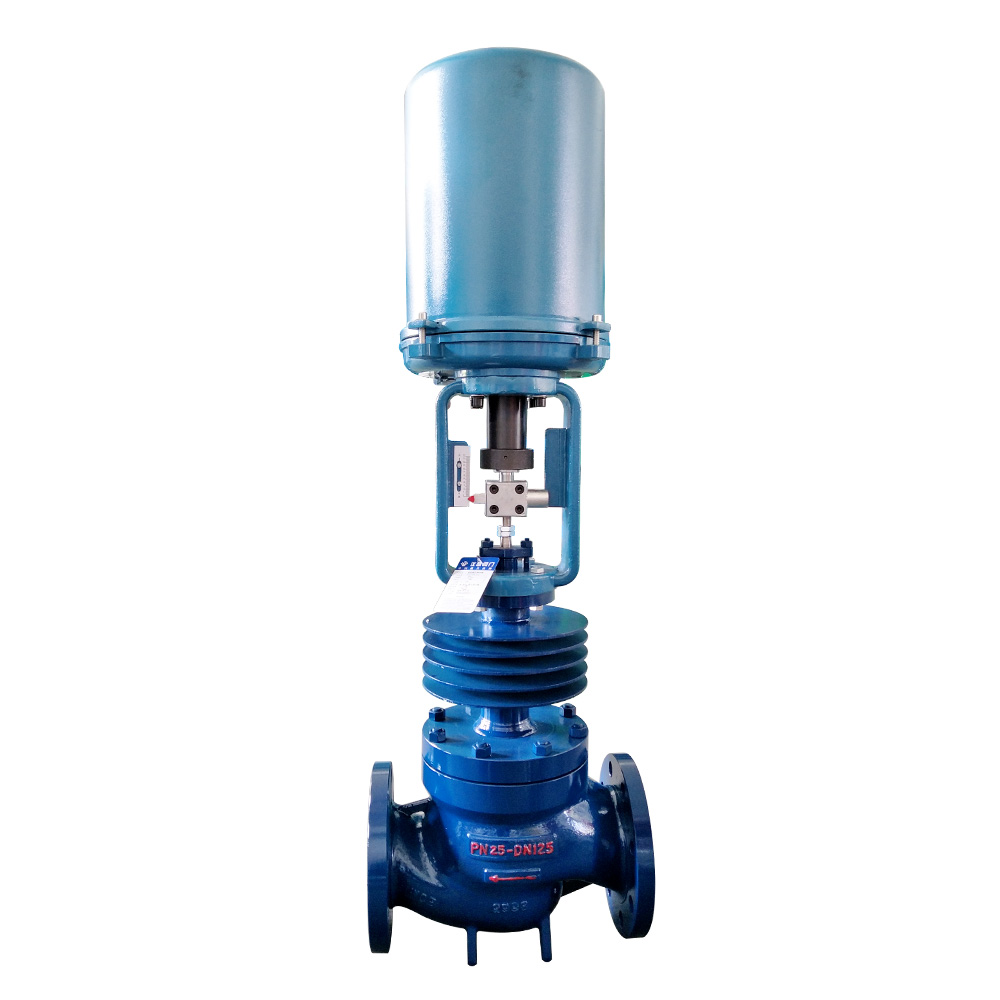
Model of Thermal Coupling
Thermal coupling problems are usually simulated numerically using finite element analysis (FEA) methods. The basic steps are as follows:
1. Establish geometric models: According to the actual structure of the regulating valve, establish a three-dimensional geometric model, including the valve body, valve core, valve seat, and other key components.
2. Define material properties: including elastic modulus, Poisson's ratio, coefficient of thermal expansion, thermal conductivity, and yield strength, etc.
3. Set boundary conditions and loads:
- Thermal load: such as medium temperature, ambient temperature, convective heat transfer coefficient, etc.;
- Mechanical load: such as fluid pressure, actuator force,
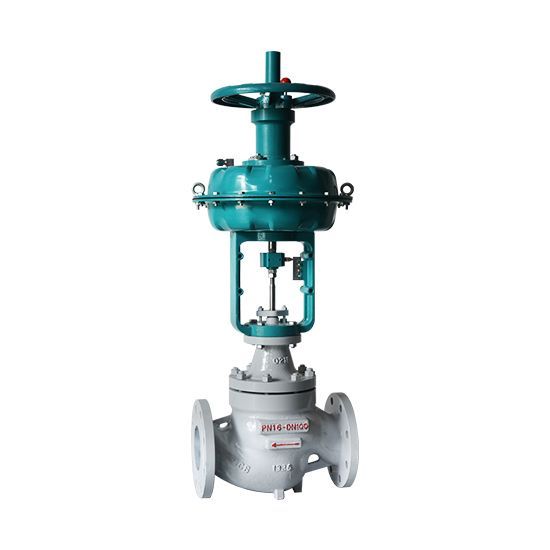
etc.
4. Mesh division of finite elements: Carry out refined mesh division of key parts to improve calculation accuracy.
5. Conduct thermal analysis: Perform steady-state or transient heat transfer analysis first to obtain the temperature distribution of each component.
6. Conduct structural mechanics analysis: Use the results of thermal analysis as thermal loads to perform structural stress and strain analysis, and obtain thermal stress and deformation conditions.
7. Result Evaluation: Evaluate whether each component meets the requirements of strength, stiffness, and fatigue life based on the calculation results.
III. Determination of Key Parameters
The following parameters are particularly critical in thermal coupling calculations:
- Coefficient of thermal expansion α: Different materials have different coefficients of thermal expansion, and improper material selection may cause considerable thermal stress.
- Boundary conditions: The rationality of temperature field and constraint conditions directly affects the accuracy of the calculation results.
- Surface treatment of contact surfaces: The contact relationship between the valve core and the valve seat has a significant impact on heat conduction and stress distribution.
IV. Practical Application Cases
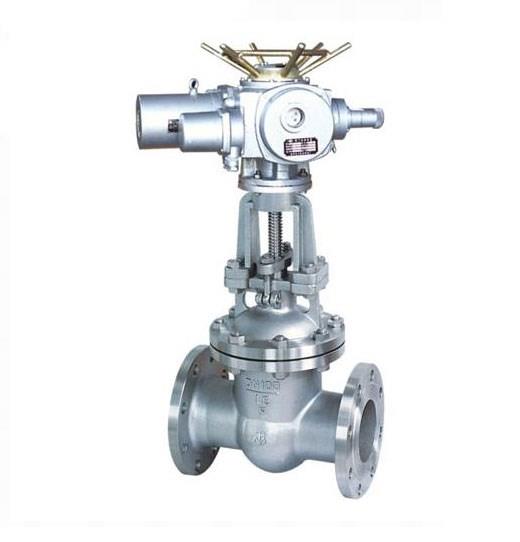
Taking a high-temperature steam regulating valve as an example, its working temperature reaches 500°C. Through thermal coupling analysis, it was found that the valve body undergoes significant thermal deformation under high-temperature conditions, resulting in misalignment of the sealing surface between the valve core and the valve seat, affecting the sealing performance. By optimizing the valve body structure and adopting thermal expansion compensation design, the thermal stress level was effectively reduced, and the service life of the valve was improved.
V. Conclusion
Thermal coupling analysis of regulating valves is not only an important basis for structural design, but also a key means to ensure their safe operation under complex working conditions. By using finite element method for thermal coupling calculations, it is possible to comprehensively evaluate the stress state of regulating valves under various working conditions, thereby guiding structural optimization design, material selection, and improvement of installation methods. In the future, with the development of computational technology, multi-physical field coupling analysis will provide more accurate and efficient solutions for regulating valve design.
---
References:
1. Mechanics and Design of Process Equipment
2. ANSYS Thermal
Analysis Tutorial
3. Specification for Pressure Vessels GB/T 20801-2020

