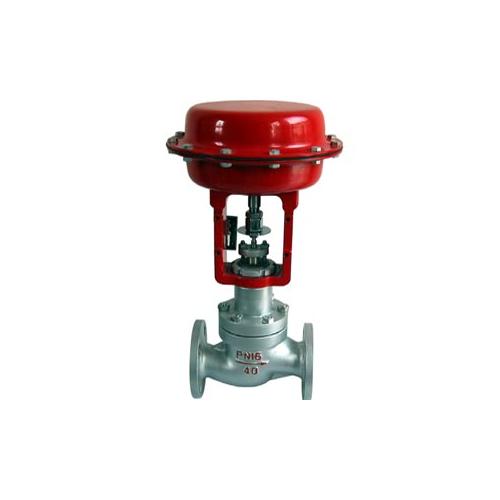
As a key actuating element in industrial automation control systems, regulating valves are widely used in fields such as oil, chemicals, electricity, metallurgy, and so on. The stability of their working performance directly affects the operation efficiency and safety of the entire system. Therefore, extending the service life of regulating valves not only helps to reduce equipment maintenance costs but also improves the reliability and continuous operation capability of the system.
To extend the service life of regulating valves, efforts should mainly be made from the following aspects:
1. Correct selection
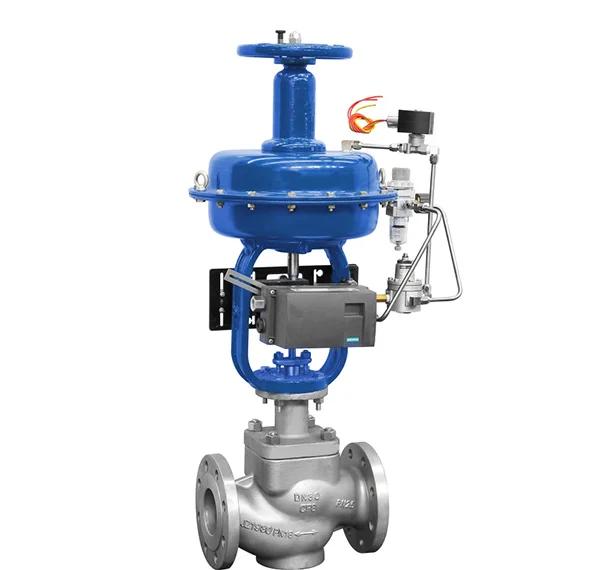
and installation
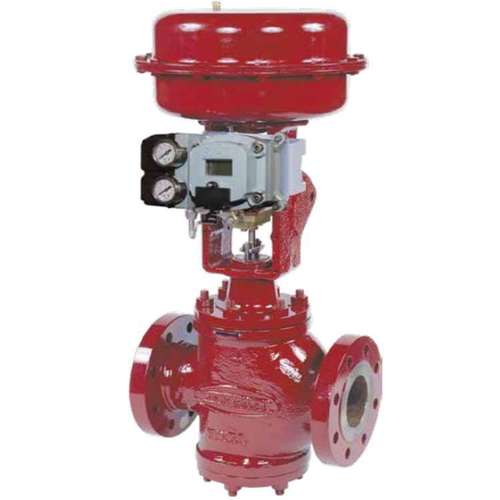
Selection is the primary factor affecting the service life of regulating valves. Different working conditions have different requirements for the material, structural form, and flow characteristics of regulating valves. For example, in high-temperature or corrosive medium environments, valves made of high-temperature or corrosion-resistant materials should be selected; under high differential pressure conditions, regulating valves with anti-cavitation and anti-flash vapor structures should be used. Incorrect selection can lead to frequent damage of valves and shorten their service life.
During the installation process, operations should be strictly in accordance with technical specifications to ensure that the valve is correctly connected to the pipeline and installed without stress, avoiding mechanical damage or poor sealing caused by improper installation.
2. Regular maintenance and maintenance
Regular inspection and maintenance are important means to extend the service life of regulating valves. Daily inspections should include the sealing of the valve, the flexibility of the actuator's movement, and the tightness of the connecting parts. For consumable parts such as packing, diaphragm, and valve seat, timely replacement is required to prevent minor problems from developing into major failures.
In addition, lubrication is also an important part of maintenance. Regular lubrication of the transmission parts of the actuator can
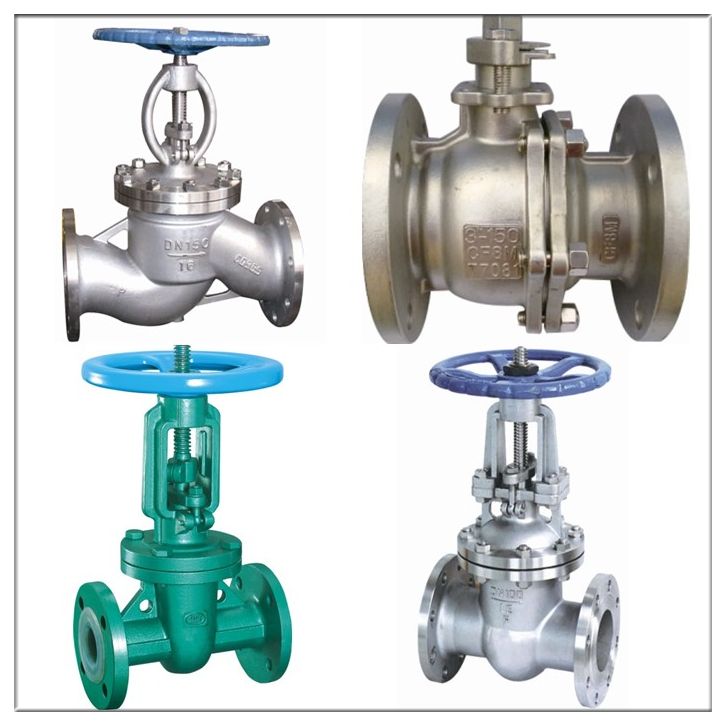
reduce wear and improve operation sensitivity and stability.
3. Rational operation and use
Operators should be familiar with the performance parameters and operation procedures of regulating valves to avoid frequent opening and closing or long-term operation at extreme opening positions. Frequent opening and closing operations will exacerbate the wear between the valve core and seat, while long-term operation
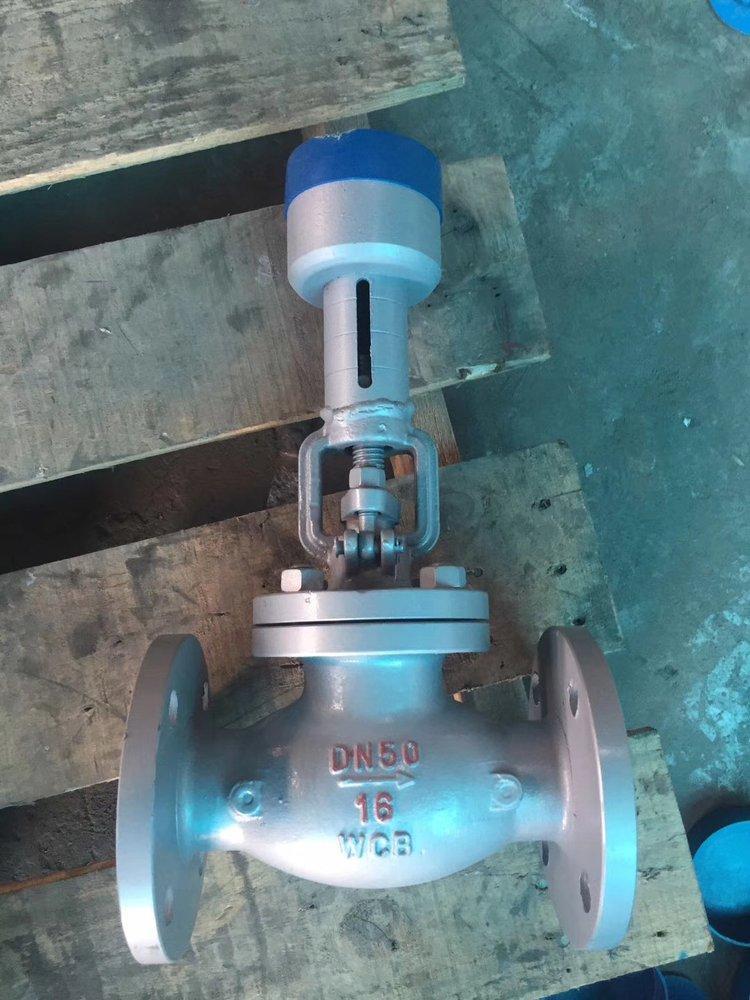
at low opening positions may cause cavitation or vibration, accelerating the aging of components.
When the system starts or stops or the load changes, it is best to use a slow opening and closing method to minimize the impact on the valve.
4. Improve the working environment
The service life of regulating valves is also affected by the working environment. Harsh environments such as high temperature, high humidity, and corrosive gases can accelerate material aging and corrosion. Therefore, it is necessary to provide good working conditions for regulating valves as much as possible, and add protective covers, insulating layers, or corrosion-resistant coatings when necessary.
At the same time, the stability of the control system will also affect the service life of the valve. Issues such as voltage fluctuations and signal interference may cause the actuator to operate incorrectly, increasing wear. Therefore, it is necessary to ensure the stable and reliable operation of the control system.
Conclusion
In summary, extending the service life of regulating valves is a systematic project, which requires efforts in many aspects such as design selection, standard installation, scientific operation, regular maintenance, and environmental control. Only by fully focusing on all links
can the reliability and service life of regulating valves be effectively improved, providing a solid guarantee for the efficient and stable operation of industrial production.

