In industrial production and environmental protection fields, solid-liquid separation is a crucial technology. Solid-liquid separation refers to the process of separating solid substances from liquids, which is widely used in many industries such as chemicals, pharmaceuticals, food processing, and wastewater treatment. The core issue of 'how to separate solid-liquid control' is to achieve this process. This article will discuss the solid-liquid separation technology from the aspects of principle, method, and application.
One, Basic Principles of Solid-Liquid Separation
The basic principle of solid-liquid separation is to take advantage of the differences in physical properties between the solid phase and the liquid phase, such as density, particle size, solubility, etc., to separate the two through physical or mechanical means. Common physical methods include sedimentation, filtering, and centrifugation. Among them, sedimentation relies on the gravitational force to make solid particles naturally settle to the bottom of the liquid; filtering is to intercept solid particles by filter materials, allowing the liquid to pass through; centrifugation is to accelerate the solid-liquid separation process by using centrifugal force.
Two, Main Solid-Liquid Separation
Methods
1. Gravity Sedimentation Method
This is the simplest and most commonly used method of solid-liquid separation, suitable for situations where solid particles are larger and denser. For example, in wastewater treatment, the primary sedimentation tank uses gravity to let suspended matter settle to the bottom, achieving preliminary separation.
2. Filtering Method
Filtering method intercepts solid particles on the surface of the medium such as filter cloth, filter mesh, or filter membrane to achieve separation. Common equipment includes plate and frame press filters, belt filter presses, etc.
3. Centrifugal Separation Method
Centrifugal separation uses the centrifugal force generated by high-speed rotation to throw the solid phase in the solid-liquid mixture to the outer side of the equipment, while the liquid phase remains inside, which is suitable for the separation of fine particles and has the characteristics of high efficiency and rapidity.
4. Flotation Method
For solid particles with a density less than that of the liquid, they can be floated up by the attachment of bubbles and then separated by scraping, which is commonly used in mineral processing and wastewater
treatment.
Three, The Role of Control System in Solid-Liquid Separation
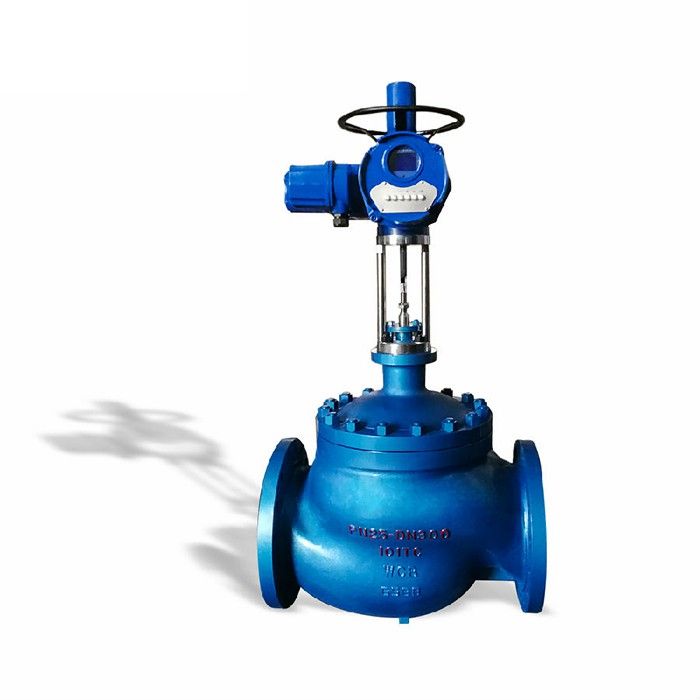
With the improvement of industrial automation level, 'how to separate solid-liquid control' no longer depends solely on physical methods, but also requires advanced control systems to optimize the separation process. Modern solid-liquid separation systems are often equipped with automation equipment such as PLC (Programmable Logic Controller), sensors, and actuators, which monitor real-time parameters such as flow, pressure, liquid level, and concentration, and adjust operating parameters according to feedback signals to improve separation efficiency and stability.
For example, in wastewater treatment plants, the control system can automatically adjust the dosage and mixing speed of chemicals based on the quality of the incoming water to improve the sedimentation effect; in the pharmaceutical industry, centrifuges can precisely adjust the speed through the control system to ensure product quality.
Four, Conclusion
In summary, solid-liquid separation is an important process that integrates physical principles with modern control technology. It not only concerns production efficiency and resource utilization, but also directly affects environmental protection and product quality. With the development of science and technology, the solid-liquid separation technology
of the future will be more intelligent and green, providing strong support for the sustainable development of industry.

