The regulating valve, as a key actuator in industrial automation control systems, mainly adjusts the flow rate, pressure, temperature, and other parameters of the medium according to the changes in control signals, in order to achieve precise control of the process. In practical applications, the response speed of the regulating valve directly affects the dynamic performance and stability of the system. Therefore, scientifically evaluating the response speed of the regulating valve is of great significance for optimizing system performance and improving control accuracy.
1. Definition of Response Speed
The response speed of the regulating valve refers to the time required for the valve core to move and reach a new set position after receiving a change
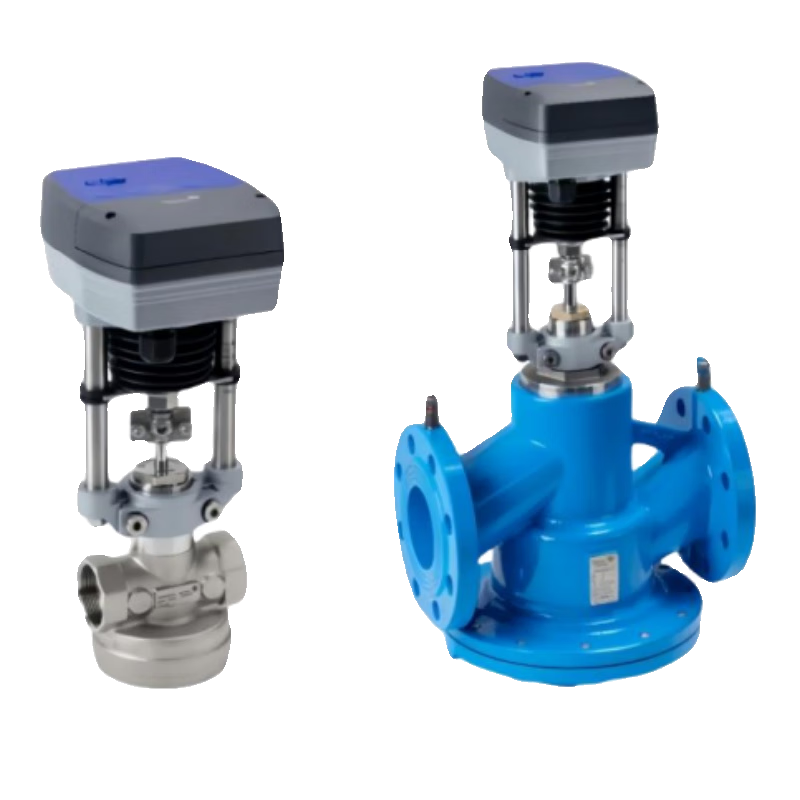
in the control signal. It usually includes signal transmission time, actuator driving time, and valve core movement time. Fast-response regulating valves can adapt to system changes more quickly, thereby improving the dynamic response ability of the control system.
2. Main Factors Affecting Response Speed
1. Type of Actuator: Pneumatic, electric, or hydraulic actuators have a significant impact on response speed. For example, pneumatic actuators have a relatively longer response time due to the compressibility of gases; while electric actuators can achieve faster response through motor control.
2. Valve Structure Design: The flow channel structure, sealing form, and valve core quality of the valve will affect its movement speed. Lightweight materials and optimized design help improve response speed.
3. Type and Precision of Control Signals: Digital signal control has higher precision and faster processing speed compared to analog signal, thus improving response efficiency.
4. System Pressure and Load Conditions: Changes in working medium pressure, flow rate, and external load will also affect the actual response performance of the regulating valve.
3. Methods for Evaluating Response Speed
1. Step Response Test Method
This is one of the most commonly used evaluation methods. By inputting a step change control signal (such as a 4~20mA signal) into the regulating valve, record the time required for the valve core to move from the initial position to the target position, and analyze parameters such as rise time, stabilization time, and overshoot to evaluate the response characteristics.
2. Frequency Response Analysis Method
Under continuously changing signals, by inputting different frequency sine wave signals, observe the amplitude and phase lag of the output response and draw Bode plots for analysis. This method is suitable for occasions with high requirements
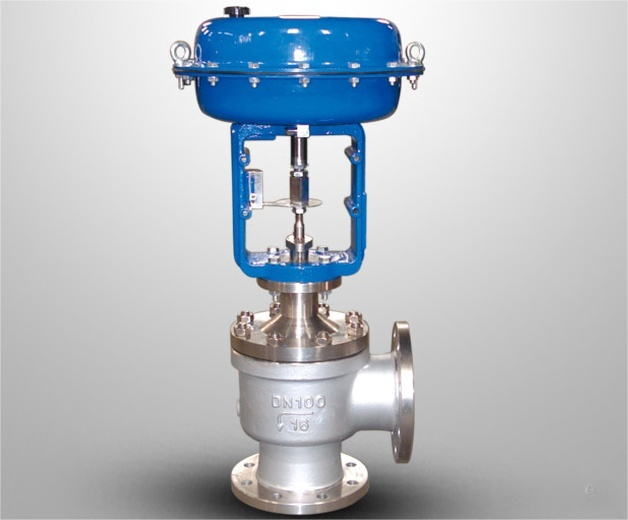
for system dynamic performance.
3. Digital Simulation and Modeling Analysis
By using computer simulation software (such as MATLAB/Simulink, ANSYS, etc.) to model and simulate the dynamic response of the regulating valve, it is possible to predict its response behavior under different working conditions, providing theoretical support for engineering design.
Optimization suggestions in application
To enhance the response speed of the regulating valve, the following points should be noted in the selection and use process:
- Prioritize the selection of intelligent electric or high-performance pneumatic actuators with fast response and high control accuracy;
- Digital
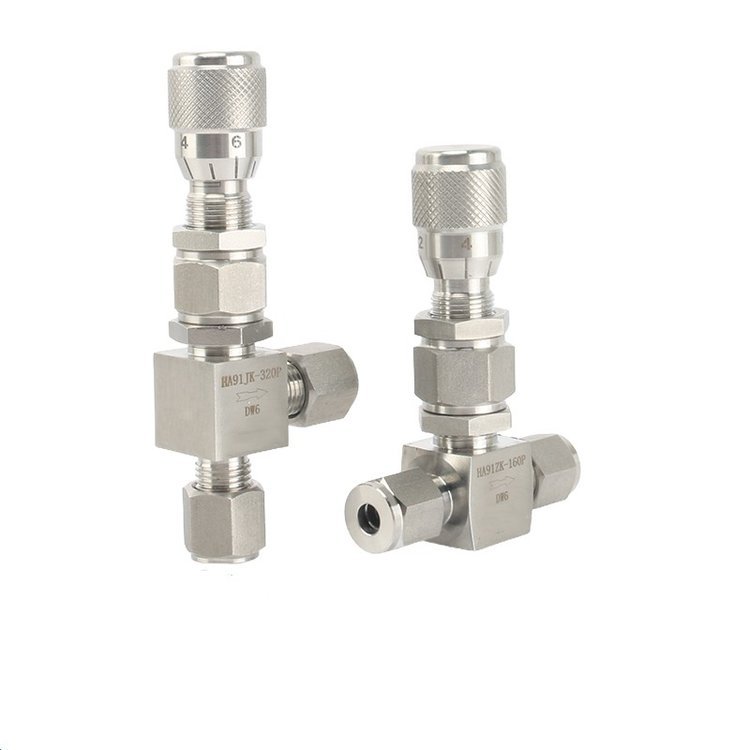
processing of control signals and using high-precision controllers;
- Regular maintenance and calibration of the regulating valve to ensure its flexible movement and no sticking.
- Reasonably configure the feedback mechanism in control system design to improve overall response efficiency.
Conclusion
In summary, the response speed of the regulating valve is one of the important indicators to measure its performance. Through scientific evaluation and analysis, combined with optimization selection and maintenance based on actual needs, it is helpful to improve the stability and efficiency of the control system. In the context of modern industrial automation, improving the response speed of regulating valves has become one of the key links to achieve intelligent manufacturing and efficient control.

