In modern industrial production, regulating valves, as key executive components in automatic control systems, are widely used in industries such as oil, chemicals, electricity, metallurgy, etc. Their main function is to adjust the flow, pressure, temperature, and other parameters of the medium according to control signals, thus realizing stable and efficient operation of the production process. However, due to complex working environments, variable medium characteristics, and improper operation, regulating valves have certain safety hazards. Therefore, ensuring the safe operation of regulating valves is an important link in ensuring the safety and stability of the entire production system.
Firstly, ensuring the intrinsic safety of regulating valves is
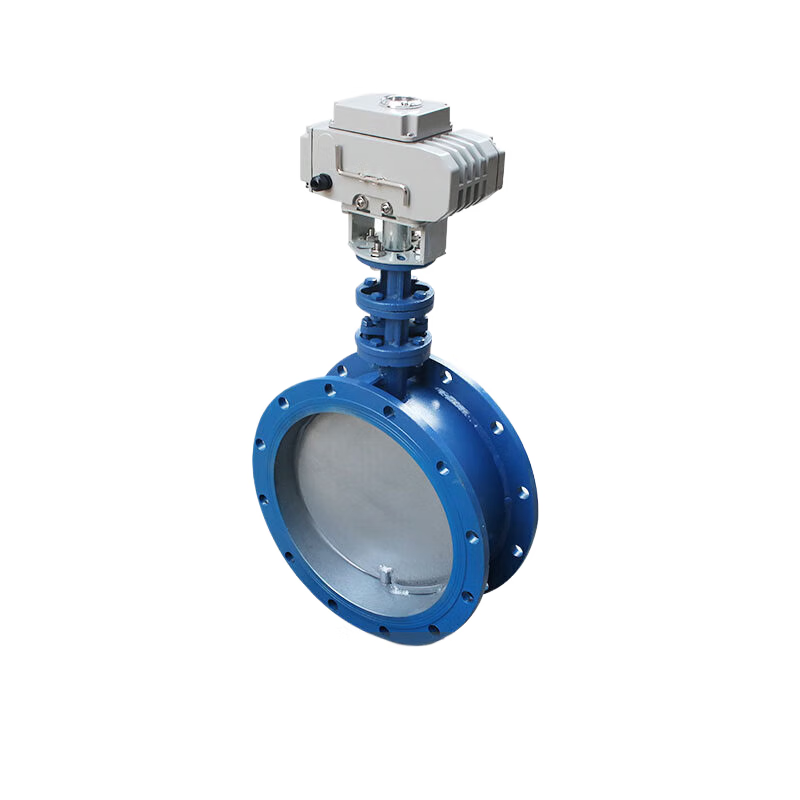
fundamental. Intrinsic safety refers to the high reliability and safety of regulating valves during the design and manufacturing stages. When selecting, the nature of the medium (such as corrosiveness, toxicity, high temperature and high pressure), working conditions, and control accuracy requirements should be fully considered to choose products that meet relevant standards and specifications. At the same time, regulating valves should have good sealing performance and durability to prevent leakage and failure. In addition, for critical control loops, it is recommended to adopt redundant design or configure safety interlock systems to enhance the fault-tolerance capability of the system.
Secondly, standardized operations during the installation and
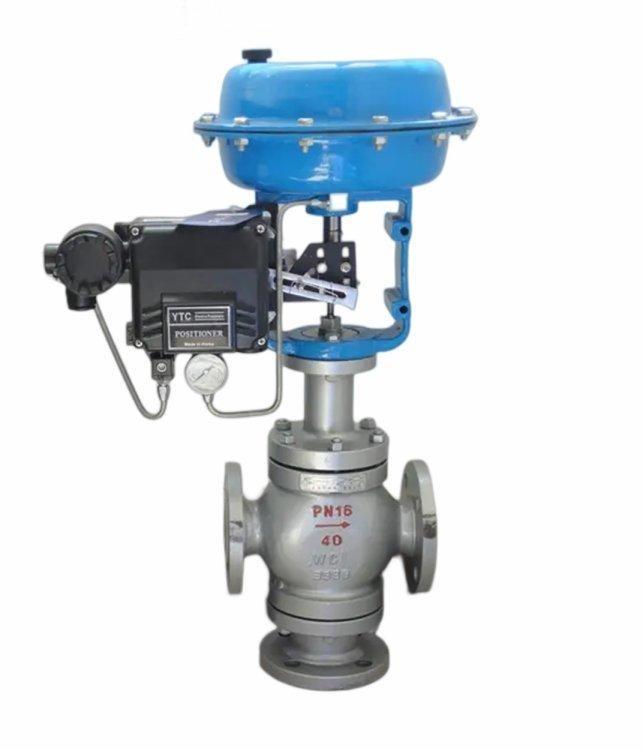
debugging stage are crucial for the safe operation of regulating valves. Installations should be carried out strictly according to the product manual and industry standards to ensure firm connections and good sealing, avoiding problems such as vibration and leakage caused by improper installation. During the debugging process, comprehensive checks should be made on the opening and closing performance, response speed, and control accuracy of the regulating valve to ensure good matching with the
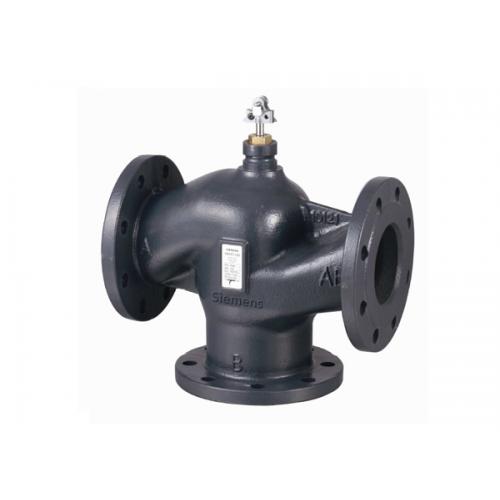
control system and avoid accidents caused by uncoordinated control.
Thirdly, strengthening operation and maintenance and regular inspections are key measures to ensure the long-term safe operation of regulating valves. Enterprises should establish a sound equipment management system and regularly clean, lubricate, calibrate, and replace consumables for regulating valves. At the same time, advanced monitoring technologies (such as vibration analysis, infrared thermal imaging, ultrasonic testing, etc.) should be used to monitor the operating status of regulating valves in real-time, detect
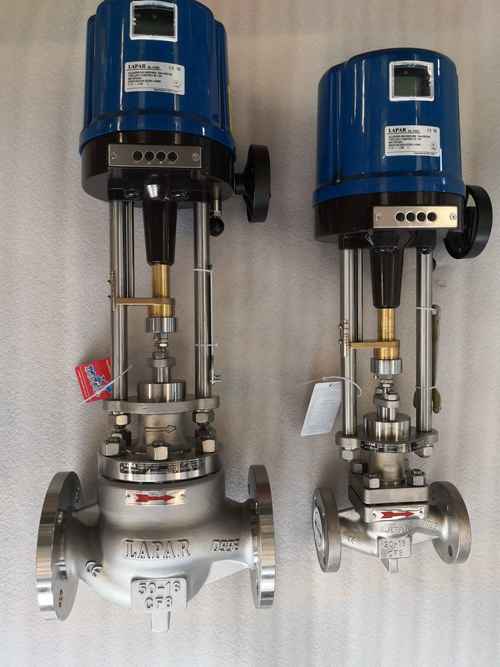
potential faults in a timely manner, and handle them to prevent problems from occurring.
In addition, personnel training and safety awareness enhancement cannot be ignored. Operators should be familiar with the structural principles,
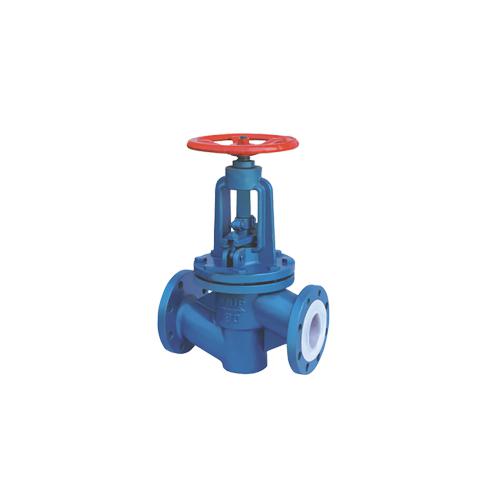
operation procedures, and emergency response methods of regulating valves, and be able to make correct judgments and responses quickly in case of emergencies. At the same time, establishing and improving emergency plans and fault response mechanisms will help to minimize risks in emergency situations.
In summary, the safety guarantee of regulating valves is a systematic project, which requires collaborative efforts from all links such as design selection, installation and debugging, operation and maintenance, and personnel management. Only by strengthening safety management comprehensively can the potential risks brought by regulating valves be effectively prevented and controlled, ensuring the safety, stability, and efficient operation of industrial production.

