Firstly, from the perspective of control principles, the coordination control of regulating valves depends on advanced control algorithms and signal processing technology. Typically, PLC (Programmable Logic Controller) or DCS (Distributed Control System) is used as the main control unit, and multiple regulating valves are scheduled uniformly through methods such as PID control, feedforward control, or fuzzy control. The controller adjusts the opening of each regulating valve in real-time based on the deviation between the set value and the feedback value, ensuring that they act in accordance with the predetermined proportion or sequence, thereby achieving the purpose of synchronous control.
Secondly, in terms of system design, the key to achieving regulating valve coordination control lies in reasonable system architecture and communication networks. In a multi-valve system, each regulating valve should have good response characteristics and consistency, avoiding action lag or error accumulation due to differences in actuator performance. At the same time, the use of fieldbus (such as Profibus, Modbus, HART, etc.) can realize high-speed and reliable transmission of control signals, reduce signal delay, and improve the synchronization and stability of the system.
In addition, during the actual application process, it is necessary to continuously adjust the control parameters of each valve through debugging and optimization. For example, in the boiler combustion system, the fuel valve and air ratio valve need to be synchronized adjusted to maintain the optimal combustion efficiency; in the chemical reaction kettle, the collaborative control of multiple feed regulating valves directly affects the safety of the reaction process and the product quality. Therefore, during on-site debugging, it
is necessary to combine the actual working conditions, conduct dynamic response tests and closed-loop adjustments, to ensure that each regulating valve can work coordinately and consistently under different loads.
In summary, the coordination
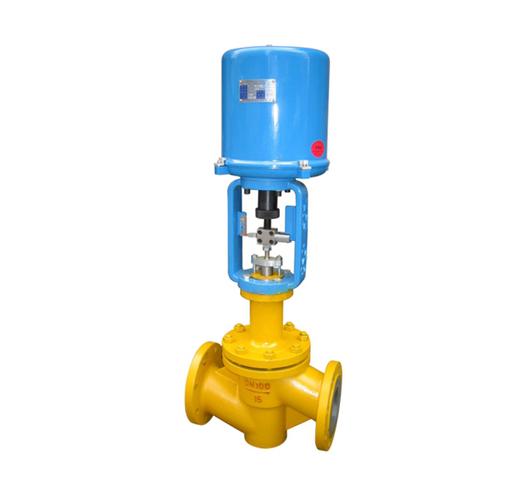
control between regulating valves is achieved through advanced control algorithms, reasonable system design, and on-site debugging optimization.
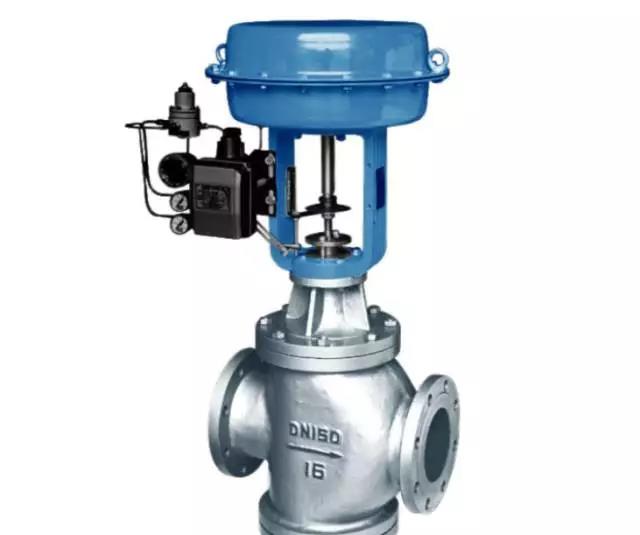
Only when the control strategy is scientific, the system architecture is reasonable, and the equipment performance
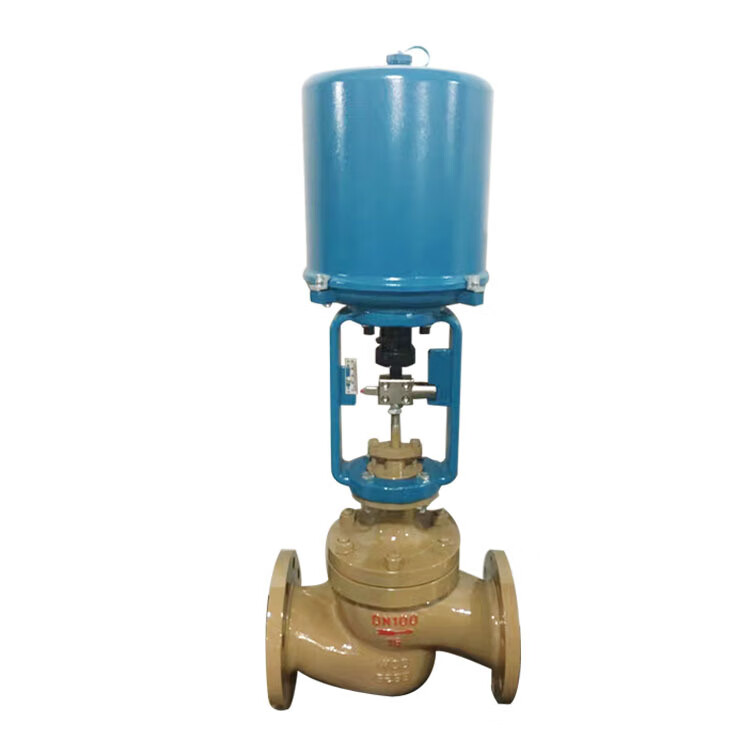
is consistent, can the efficient and synchronous control of regulating valves truly be realized, thereby enhancing the operation efficiency and safety of the entire industrial system. With the continuous improvement of industrial automation levels, the technology of regulating valve coordination control will also play a more important role in the future.

