The regulating valve, as an indispensable executive component in industrial automation systems, is widely used in fluid control systems for controlling parameters such as flow rate, pressure, and temperature. According to its flow characteristics, regulating valves can be divided into quick-open type, equal percentage type, and linear type. Among them, the linear regulating valve is widely used in situations that require precise control and smooth flow rate changes due to its unique linear relationship between flow rate and opening. This article will analyze the structure, working principle, and main characteristics of the linear regulating valve in detail.
1. Basic Structure and Working Principle of Linear Regulating Valves
The structure of the linear regulating valve usually consists of the valve body, valve core, valve seat, actuator, and feedback device. Through the drive of the actuator, the valve core moves up and down within the valve seat, thereby changing the area of the fluid passage to regulate the flow. The key characteristic of the linear regulating valve lies in its 'linear relationship between flow and valve opening', that is, the relative opening of the valve is proportional to the flow passing through it.
2. Main Characteristics of Linear Regulating Valves
1. Linearized flow characteristics
The most distinctive feature of the linear regulating valve lies in its inherent linear flow characteristics. When the valve is opened from 0% to 100%, the flow increases uniformly with the increase in opening. This characteristic makes the linear valve have good controllability and predictability in the control process, suitable for situations where load changes are not significant and the control system has moderate requirements for response speed.
2. High control accuracy
Due to its linear relationship between flow and stroke, operators or control systems can control the flow more accurately. This characteristic is particularly important in processes that require fine adjustment, such as in the chemical, pharmaceutical, and food processing industries.
3. Fast response speed
The linear regulating valve has a fast response speed, and the action of the actuator can
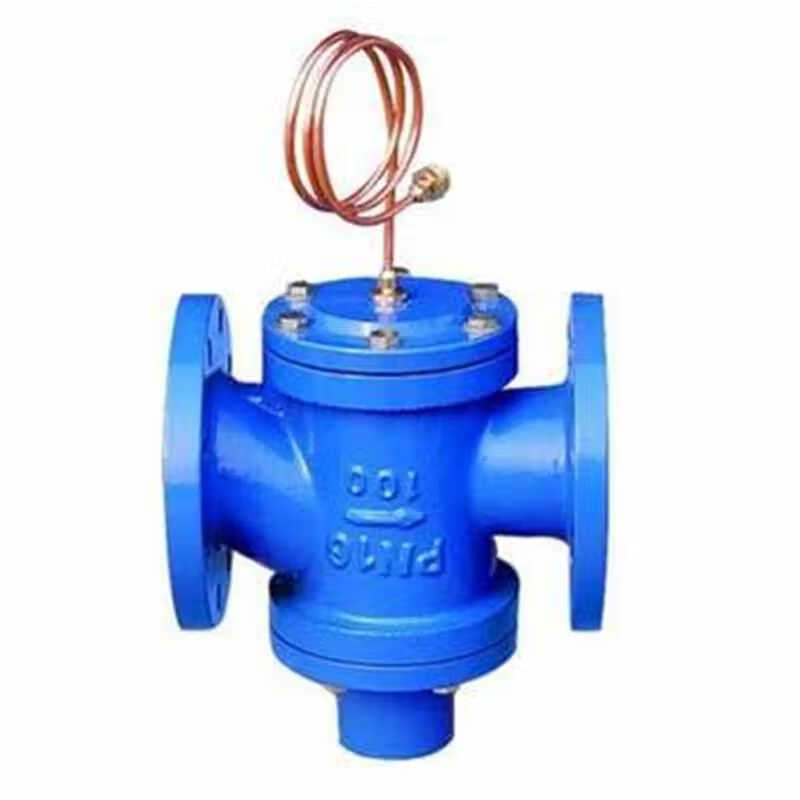
quickly reflect on the flow change, thereby improving the dynamic performance and stability of the system.
4. Wide applicability
Although the linear valve is not as excellent as the proportional valve in some specific working conditions (such as systems with large pressure fluctuations), it is widely applicable in fields such as water treatment, steam control, and HVAC, especially in systems with small changes in set points and
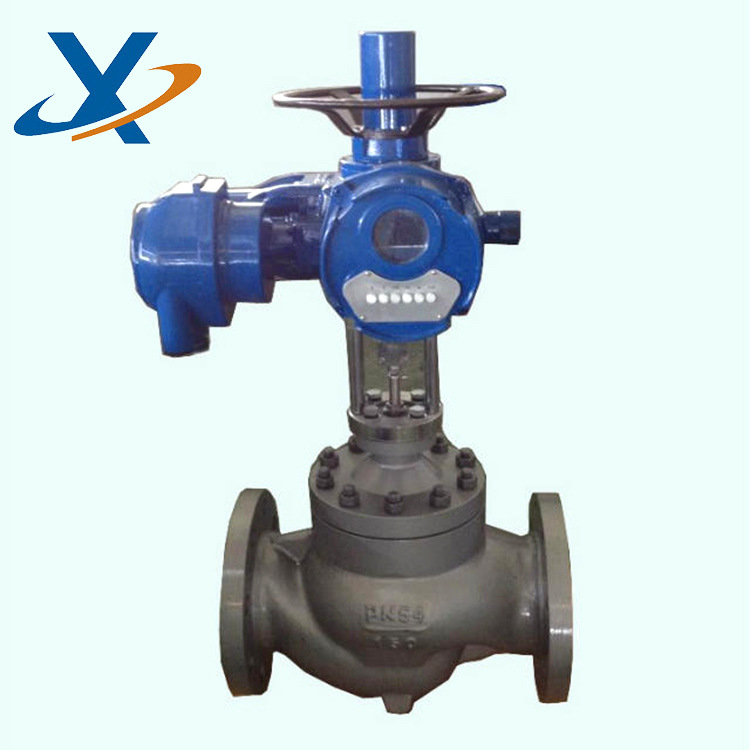
relatively stable process variables.
3. Application Examples of Linear Regulating Valves
In actual engineering applications, such as flow regulation in boiler feedwater systems, temperature control in cooling water systems, and industrial processes that require a constant flow supply, linear regulating valves are preferred. In addition, in automatic control systems, the linear valve in conjunction with a PID controller can achieve more stable and efficient automatic regulation.
4. Selection and Usage Precautions
When selecting a linear regulating valve, it is necessary to comprehensively consider the medium properties, working pressure, temperature range, and control requirements of the system. At the same time, attention
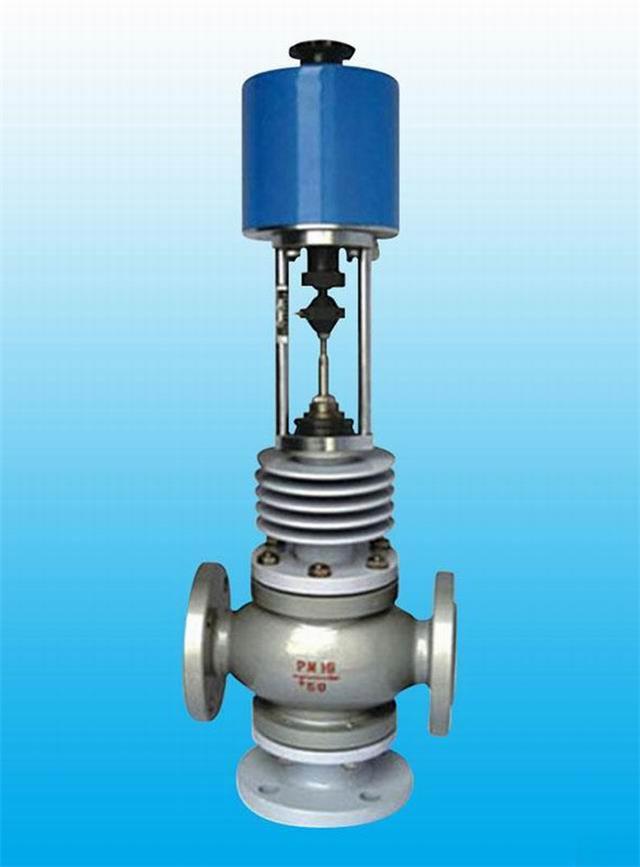
should be paid to the matching of the valve's flow coefficient (Cv value) to ensure the accuracy of regulation. During installation and use, it is necessary to avoid severe vibration and unreasonable pipeline stress to ensure its normal working life.
Conclusion
In summary, the linear regulating
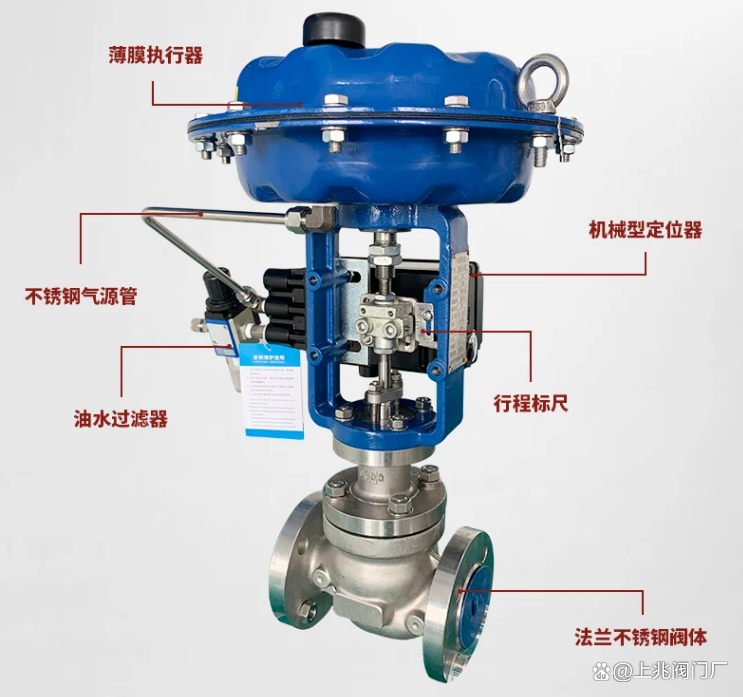
valve occupies an important position in the field of industrial control due to its characteristics such as linear flow characteristics, high control accuracy, and fast response speed. Although its adaptability in some complex working conditions is not as good as that of other types of regulating valves, it is still an ideal choice in many conventional control applications. With the continuous improvement of industrial automation levels, the linear regulating valve will continue to play an important role in modern control systems.

