With the increasing global awareness of environmental protection, the requirements for emission standards in the industrial field are becoming increasingly stringent. As an important equipment for controlling fluid media in process industries, the environmental performance of regulating valves directly affects the overall emission level and energy efficiency of the entire system. Therefore, how to make environmental protection regulating valves meet the standard has become an important issue in the manufacturing and application of industrial equipment.
1. Clear Environmental
Protection Standards
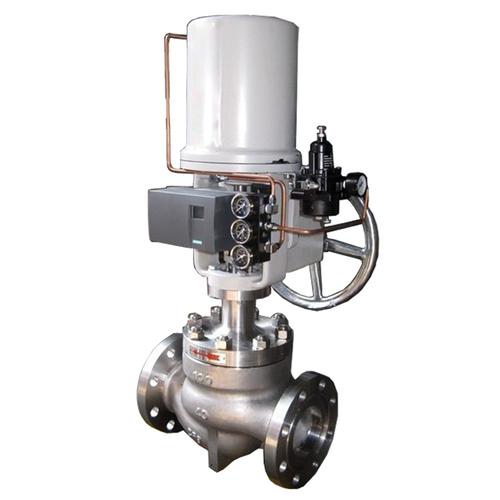
The standardization of environmental protection regulating valves should first be based on national and local environmental protection regulations. For example, the relevant emission standards released by the Chinese Ministry of Ecological Environment specify clear requirements for valve leakage rate, noise control, and harmful gas emissions. Enterprises need to choose regulating valve
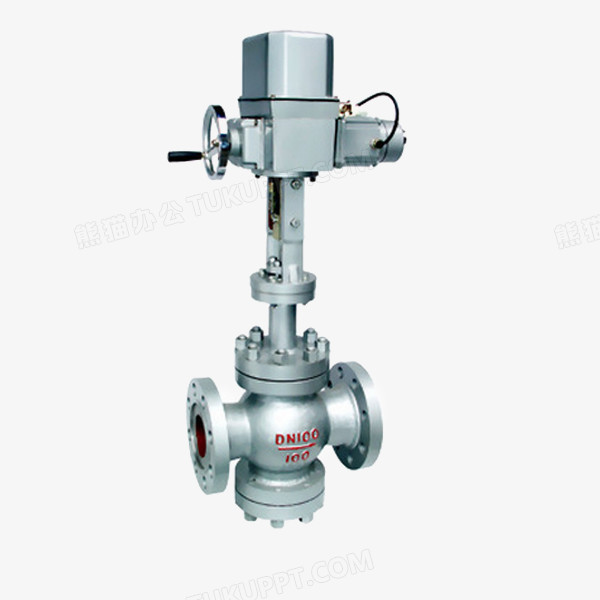
products that meet the corresponding environmental protection levels according to the specific characteristics of the industry and the use environment.
2. Optimizing Structural Design
The core of environmental protection regulating valves lies in their sealing performance. The adoption of advanced sealing structure design, such as metal hard sealing, multi-stage pressure reduction structures, and labyrinth flow channels, can effectively reduce internal and external leakage, reducing the escape of harmful media. At the same time, optimizing the flow channel design can also reduce noise during fluid passage, achieving low-noise operation and meeting environmental noise standards.
3. Selection of Environmental Protection Materials
The choice of materials directly affects the environmental performance of the product. The use of new environmental protection materials such as high-performance alloys, environmentally friendly fillers (such as graphite fillers), and non-asbestos gaskets not only improves the corrosion resistance and sealing properties of the valve but also avoids heavy metal pollution and the release of toxic substances that traditional materials may cause.
4. Intelligent Control
With the help of intelligent actuators and control systems, regulating valves can achieve precise control, reducing energy waste and medium leakage. For example, through the linkage of valve positioners and PLC systems, real-time adjustment of parameters such as flow, pressure, and temperature can be achieved, improving system operation efficiency and reducing pollutant emissions.
5. Strengthening Testing and Certification
Environmental protection regulating valves must pass strict testing procedures before leaving the factory, including air tightness tests, pressure resistance tests, and noise tests, to ensure that all performance indicators meet environmental protection requirements. At the same time, obtaining certifications such as ISO 14001 environmental management system certification, API, and CE from international authoritative bodies is an important endorsement of the product's environmental performance.
6. Whole-life
Cycle Management
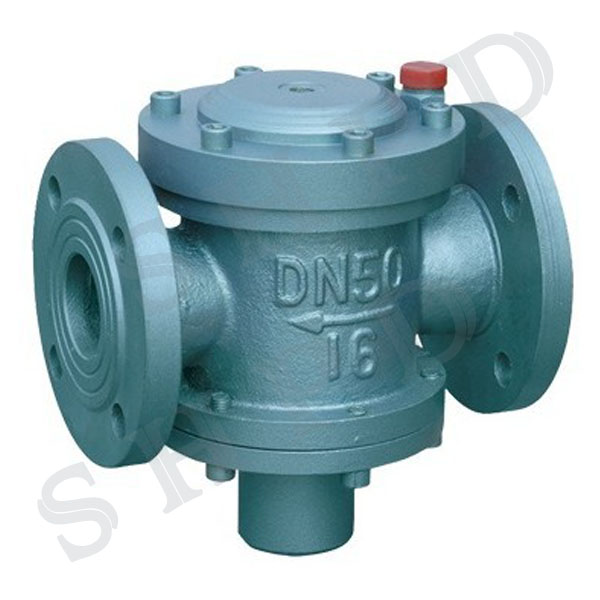
Environmental protection is not only reflected in the product itself but also includes its entire life cycle, from use, maintenance to disposal. Enterprises should establish a comprehensive valve life cycle management system to promote green manufacturing, green use, and green recycling, reducing resource consumption and environmental pollution from the source.
Conclusion:
The standardization of environmental protection regulating valves is a systematic project, which requires coordinated progress from design, material selection, manufacturing, control, and detection. With the continuous advancement of technology and the increasing environmental protection requirements, environmental protection regulating valves will play an increasingly important role in realizing green production and energy saving and emission reduction. In the future, with the in-depth integration of intelligent and digital technologies, environmental protection regulating valves will develop towards higher efficiency, lower consumption, and greater intelligence, contributing to the sustainable development of the industry.

