In modern buildings, the air conditioning system, as an important equipment for regulating indoor environmental temperature, accounts for a large proportion of the building's overall energy consumption. Therefore, how to achieve energy conservation and consumption reduction through optimizing the air conditioning system has become one of the key points in energy conservation and emission reduction work. Among them, the air conditioning regulating valve plays a crucial role in the system. Rational use and optimization of the regulating valve can not only improve the operational efficiency of the system but also significantly reduce energy consumption.
Firstly, the main function of the
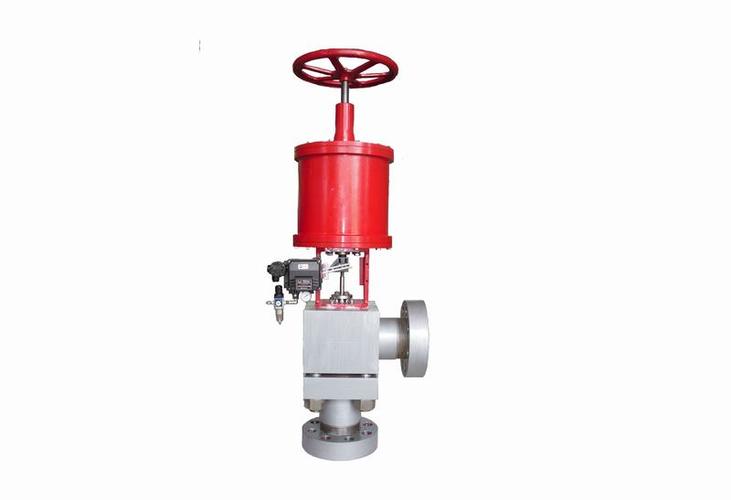
air conditioning regulating valve is to automatically regulate the flow of refrigerant or hot water according to the system load changes, thereby maintaining the indoor temperature within the set range. Traditional regulation methods often use fixed flow or manual adjustment, which is easy to cause energy waste. While modern intelligent regulating valves can dynamically adjust the valve opening degree through sensor real-time monitoring of indoor temperature, humidity, and outdoor environmental parameters, combined with PID control algorithms, so that the system always operates in the optimal state, avoiding the occurrence of overcooling or overheating.
Secondly, in terms of energy saving, the selection and installation location of the regulating valve are also crucial. Selecting electric regulating valves with fast response speed and high regulation accuracy can effectively reduce the waste of energy. At the same time, the regulating valve should be installed near the heat exchange equipment to reduce pipeline resistance and improve heat exchange efficiency. In addition, adopting multi-level regulation or segmented control strategies can also carry
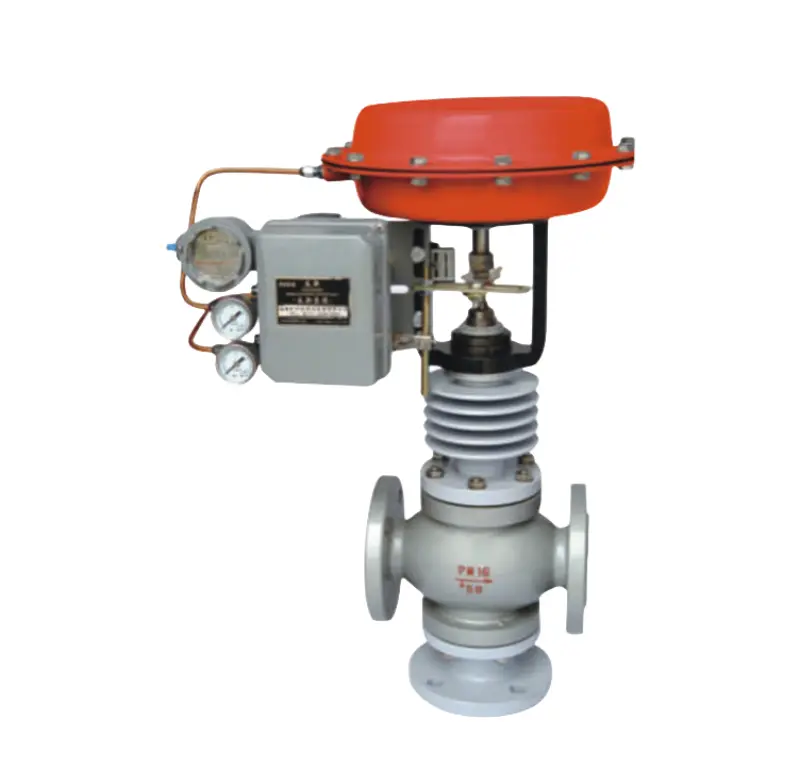
out fine management according to the load requirements of different areas, avoid the phenomenon of 'overkill', and thus achieve demand-based energy supply, achieving the goal of energy saving.
Furthermore, the combination of air conditioning regulating valves with building automation systems (BAS) is the current trend in energy-saving control. Through the BAS system, the regulating valves can be centrally controlled and remotely monitored, and the operation strategy can be automatically adjusted according to factors such as usage time and personnel density. For example, during off-peak hours or unoccupied areas, the valves
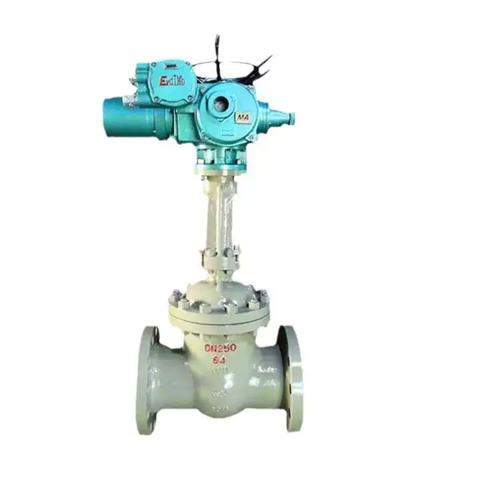
can be automatically closed or the opening degree reduced to reduce unnecessary energy consumption. This intelligent management method not only improves the operational efficiency of the system but also significantly reduces energy costs.
In addition, regular maintenance and calibration of the regulating valve are also important means to ensure its energy-saving performance. Long-term operation may lead to valve blockage, leakage, or slow response, which in turn affects the regulation accuracy and energy efficiency. Regular cleaning, inspection, and calibration of the regulating valve help maintain its good working condition, extend its service life, and ensure the continuous exertion of energy-saving effects.
In summary, the air conditioning regulating valve is not only a key control component in the air conditioning system, but also an important tool for achieving energy conservation and consumption reduction. By optimizing the regulation strategy, selecting high-performance valves, reasonable installation and maintenance, and introducing intelligent control systems, it can effectively improve the energy efficiency level of the air conditioning system and achieve the goal of green energy saving. On the road to the development of building energy conservation in the future, the intelligent upgrade and fine management of air conditioning regulating valves will play an increasingly important role.

