Firstly, establishing an accurate dynamic model of the regulating valve is the foundation for implementing robust control. Due to the complex fluid dynamic characteristics of the regulating valve and its susceptibility to medium properties, traditional linear models are often difficult to fully describe its behavior. Therefore, non-linear factors should be introduced during the modeling process, combined with experimental data for identification, to build a more realistic mathematical model. At the same time, potential time-varying parameters and time-delay effects in the system should also be considered, providing reliable evidence for subsequent robust controller design.
Secondly, selecting an appropriate robust control strategy is the key to achieving high-performance control of the regulating valve. Common robust control methods include H∞ control, sliding mode control (SMC), and adaptive control. Among them, H∞ control can effectively suppress external disturbances and is suitable for situations with model uncertainty; sliding mode control has fast response and strong anti-interference ability, suitable for regulating valve control that requires high precision tracking; while adaptive control can adjust the control parameters in real-time according to the system's operating status, improving the adaptability of the system.
In addition, during the system design phase, attention should be paid to the matching between the controller and the actuator. For example, robust compensation mechanisms can be introduced when designing
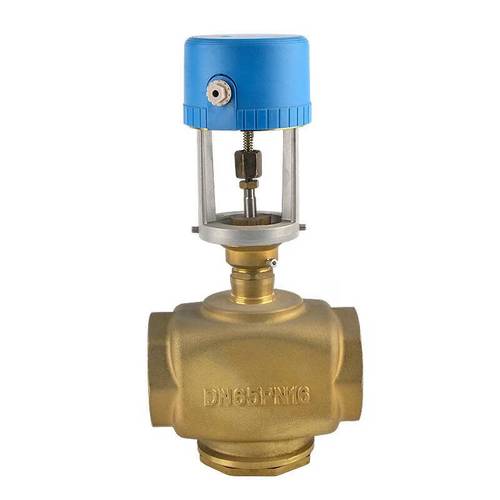
the PID controller, or a feedforward-feedback composite structure can be adopted to enhance the system's ability to suppress external disturbances. At the same time, redundant design of sensors and actuators should be strengthened, and fault diagnosis and fault-tolerant mechanisms introduced to improve the overall reliability of the system.
Finally, simulation and on-site debugging are important links for verifying the effect of robust control.
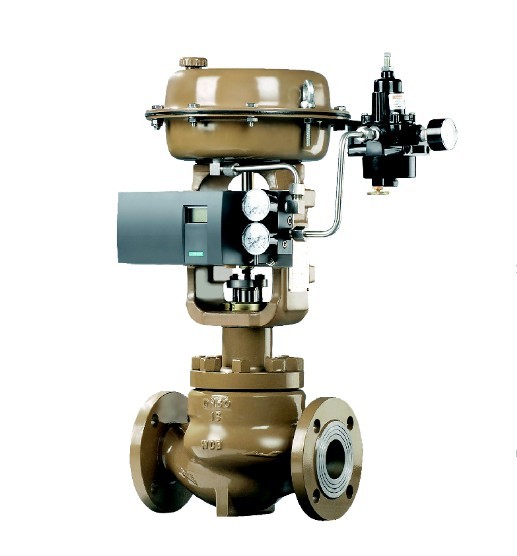
Through simulation platforms such as Matlab/Simulink, the control strategy is initially verified, and then combined with on-site tests to continuously optimize the
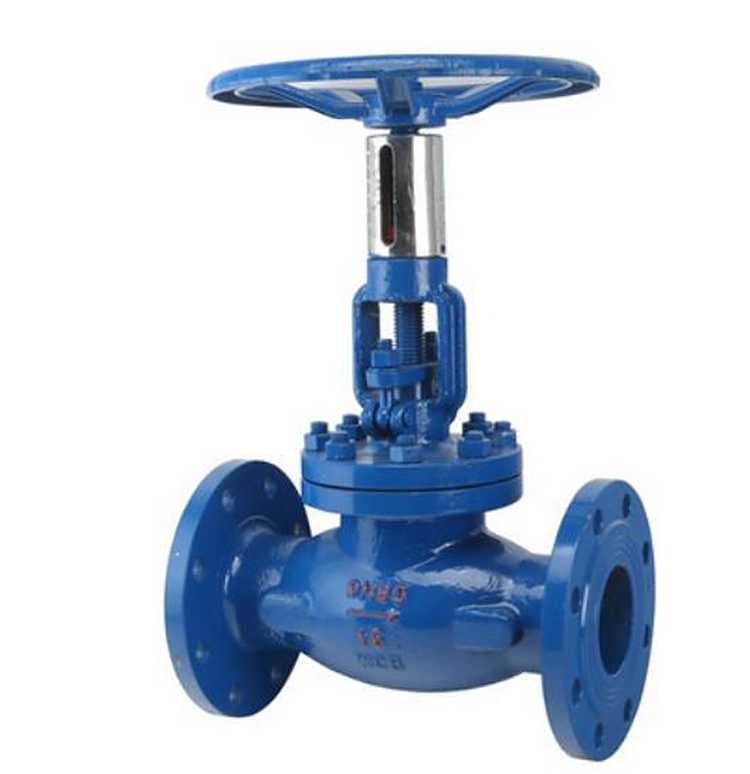
control parameters, ensuring that the system can operate stably under various working conditions.
In summary, to achieve robust control of the regulating valve, it is necessary to start from multiple aspects such as modeling, algorithm design, hardware configuration, and system debugging, and build an intelligent control system with strong adaptability and anti-interference ability. This not only helps to improve the control accuracy and efficiency of industrial processes, but also provides a solid technical support for realizing intelligent manufacturing and Industry 4.0.

