I. Structural design is the foundation of sealing
The quality of the valve sealing performance primarily depends on whether the structural design is reasonable. Common sealing forms include flat sealing, conical sealing, spherical sealing, etc., which are suitable for different working conditions. For example, in high-temperature and high-pressure environments, metal sealing structures are usually used; while in normal temperature and low-pressure conditions, soft sealing materials such as rubber or polytetrafluoroethylene (PTFE) are often used. The design of the reasonable sealing surface matching angle, width, and pre-tension force is the premise to ensure the sealing performance.
II. Material selection is the key
The selection of sealing materials is crucial for the service life and sealing effect of valves. Common sealing materials include stainless steel, carbon steel, alloy steel, rubber, fluororubber, graphite, PTFE, etc. When selecting materials, comprehensive considerations should be given to the properties of the medium (such as corrosiveness, temperature, pressure), working environment, and service life. For example, in high-temperature conditions,
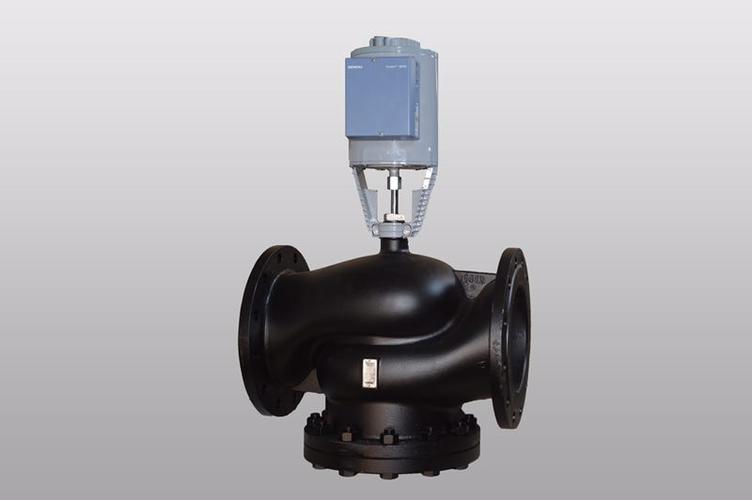
a metal-to-metal hard sealing structure can effectively prevent sealing failure caused by thermal expansion.
III. The Guarantee of Manufacturing Technology
High-quality manufacturing technology is the material basis for ensuring sealing performance. In the process of valve manufacturing, the processing accuracy of the sealing surface directly affects the sealing effect. Usually, grinding, polishing, and polishing are used to improve the smoothness and flatness of the sealing surface to reduce the possibility of leakage. In addition, the treatment of welding joints and the selection of heat treatment processes will also affect the overall sealing performance.
IV. Strict Control of Assembly and Inspection Links
Even if the design is reasonable, the materials are high-quality, and the technology is advanced, improper assembly may still lead to sealing failure. During the assembly process, it is necessary to ensure that there are no impurities or damage between the sealing surfaces and to tighten the bolts according to the specified torque values to ensure uniform force on the sealing surfaces. At the same time, strict sealing performance tests must be carried out before delivery, such as air tightness tests and water pressure tests, to ensure the sealing reliability of valves in actual application.
V. Proper Use and Regular Maintenance
During operation, operators should strictly follow the operation procedures for opening and closing operations to avoid misoperations that may cause damage to the sealing surface. In addition, regular maintenance and inspection are indispensable. For example, cleaning impurities on the sealing surface, replacing aged or damaged seals, and checking the tightness of the connection parts are all effective means to extend the service life of valves and maintain good sealing performance.
Conclusion
The guarantee of valve sealing performance is a systematic project, involving multiple links such as design, material selection, processing, assembly, inspection, and maintenance. Only by strictly controlling each link can we ensure that valves achieve efficient and reliable sealing under various complex working conditions, thereby ensuring the safe and stable operation of the system. With the continuous advancement of technology, the future of valve sealing will develop towards higher precision, longer life, and more environmental protection.

