One, Sources of Friction of the Regulating Valve
The friction of the regulating valve mainly
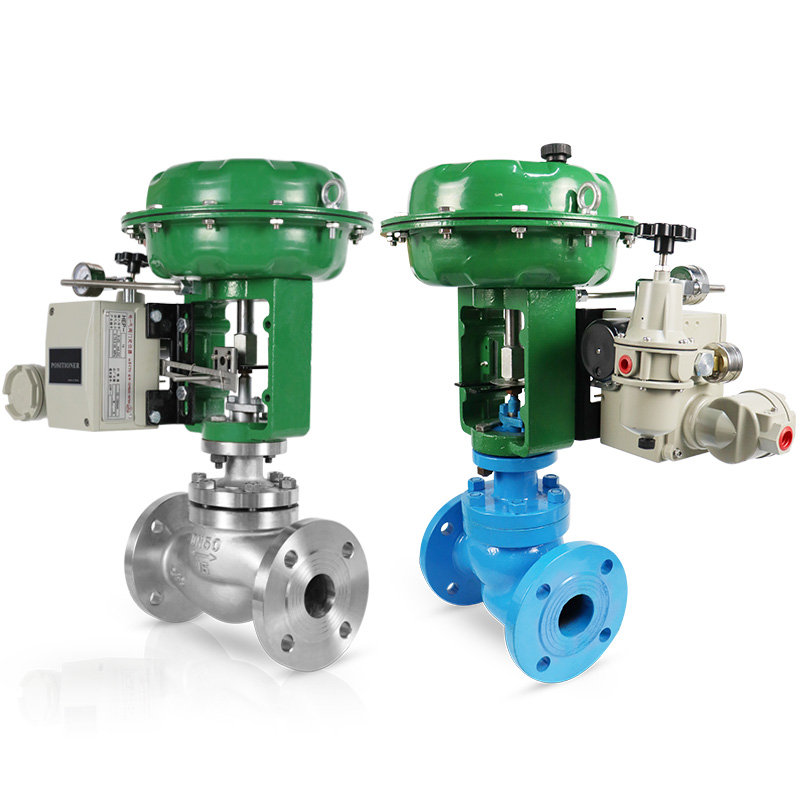
comes from the following aspects:
1. Friction between Valve Rod and Packing: When the valve rod moves up and down, it will produce greater friction resistance with the sealing packing, especially in high temperature and high-pressure working conditions.
2. Friction between Guiding Surfaces: The guiding structure between the valve core and the valve seat, and the valve body will also produce friction during movement.
3. Internal Friction of the Actuator: The mechanical friction between components such as diaphragms, springs, and pistons in pneumatic actuators.
4. Influence of Fluid Medium: High viscosity or media containing particles and impurities will increase the resistance of the valve core movement.
Two, Specific Measures to Reduce Friction
To effectively reduce the friction of the regulating valve and improve its sensitivity and reliability, the following aspects can be started from:
# 1. Material and Surface Treatment Optimization
Using low-friction coefficient materials is an effective method to reduce friction. For example, the valve rod can be made of stainless steel, ceramics, or surface coated with tungsten carbide to reduce friction with the packing. In addition, polishing the guiding surface or using wear-resistant coatings can also help reduce the friction coefficient.
# 2. Improving Packing Structure and Material
Traditional packing materials are mostly graphite or polytetrafluoroethylene (PTFE), but in high temperature or high-pressure environments, it is easy to produce greater friction resistance. Self-lubricating composite materials with stronger self-lubricating properties, such as mixed graphite and PTFE packing materials, or new low-friction packing structure designs such as bellows seal structures, can be selected to ensure sealing performance
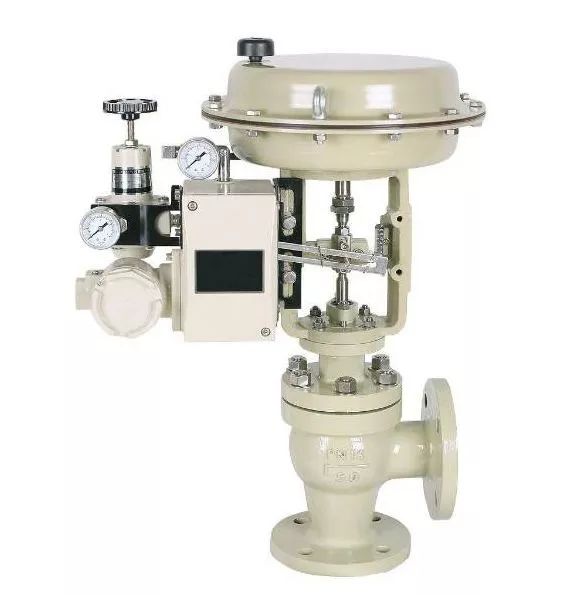
while reducing friction.
# 3. Optimizing Actuator Design
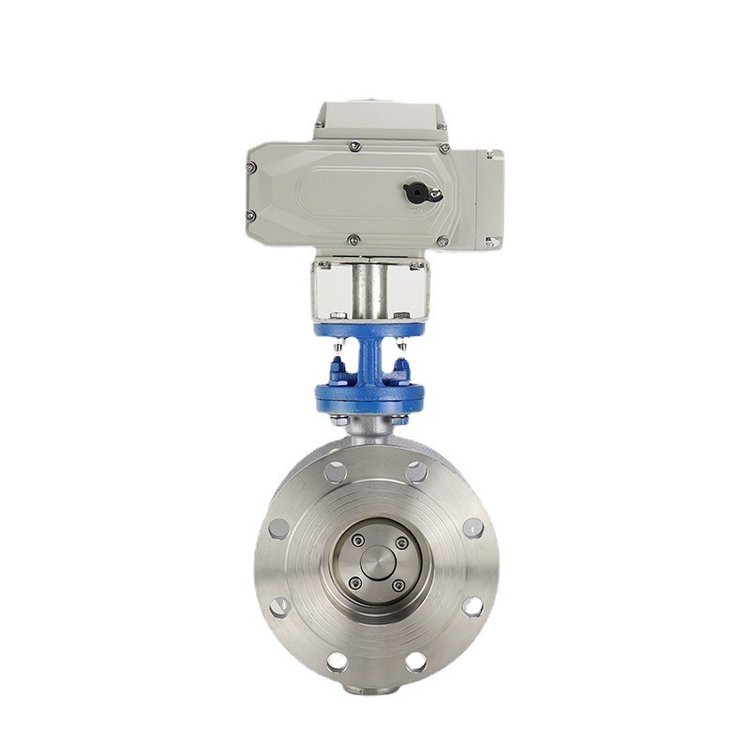
The actuator is a key component that drives the movement of the valve core. Using high-response, low-friction actuators, such as pneumatic piston-type actuators replacing diaphragm-type mechanisms, or using brushless motors to drive electric actuators, can significantly reduce internal friction in the system and improve the sensitivity and control accuracy of the action.
# 4. Improving Guiding Structure Design
Optimizing the guiding cooperation structure between the valve core and the valve seat, adopting multi-point guiding or floating guiding design, makes the valve core run more smoothly, thereby reducing friction loss during movement.
# 5. Regular Maintenance and Cleaning
Regular cleaning, lubrication, and replacement of worn parts of the regulating valve can effectively reduce the problem of increased friction caused by the accumulation of impurities or aging of parts. Especially in environments with particles or high viscosity media, maintenance is particularly important.
Three, Conclusion
In summary, reducing the friction of the regulating valve is an important means to improve its control performance and prolong its service life. By optimizing material selection, improving structural design, selecting high-efficiency actuator, and strengthening daily maintenance, friction resistance can be effectively reduced, and the working efficiency and reliability of the regulating valve can be improved. In practical applications, corresponding technical measures should be taken according to specific process conditions and operating environments to achieve the efficient and stable operation of the regulating valve.

