Programmable control valves are one of the key equipment in industrial automation systems, widely used in industries such as chemicals, petroleum, electricity, metallurgy, and so on, for precise control of fluid flow, pressure, or temperature. Not only does it have the basic functions of traditional control valves, but it also has programmable control capabilities, which can automatically adjust the valve opening according to the preset program, thus realizing more intelligent and accurate process control. This article will introduce the basic structure, working principle, and setting methods of programmable control valves.
Basic Structure and Working Principle of Programmable Control Valve
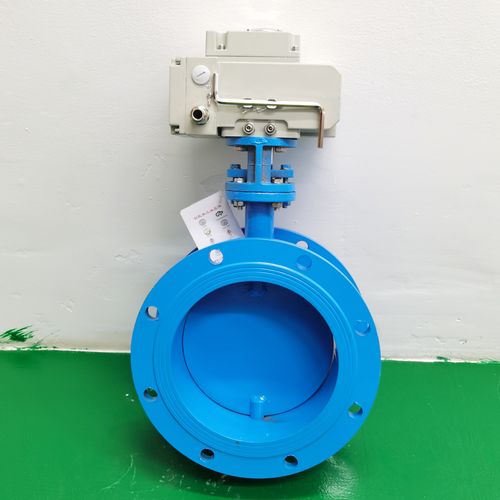
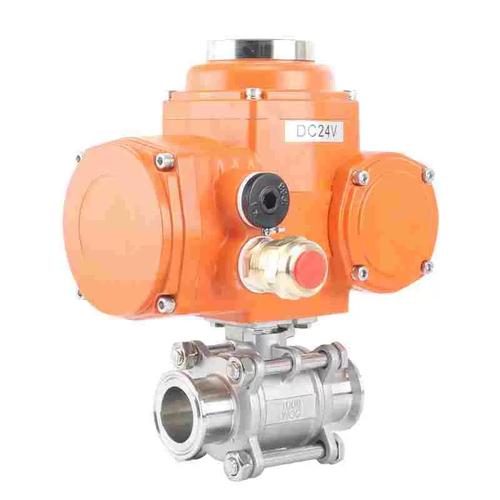
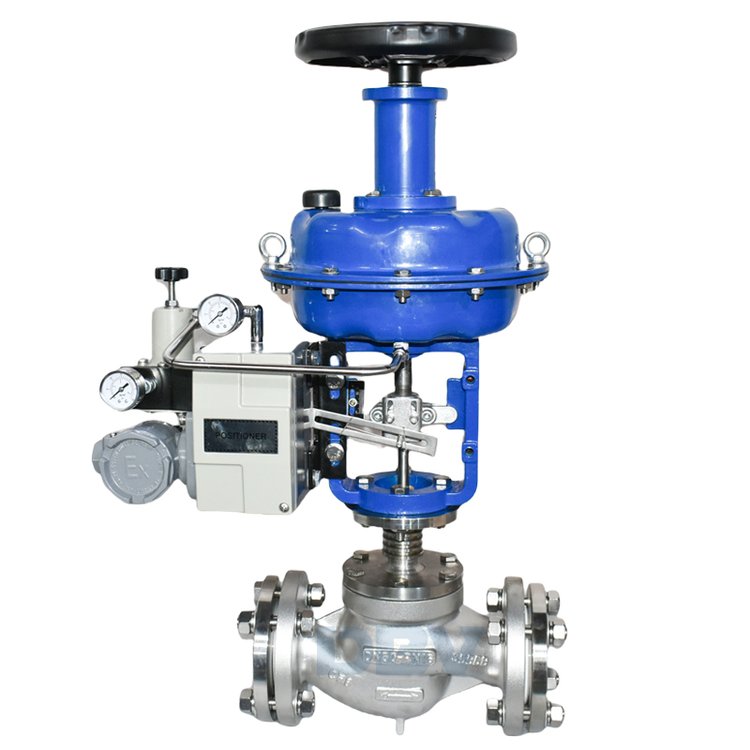
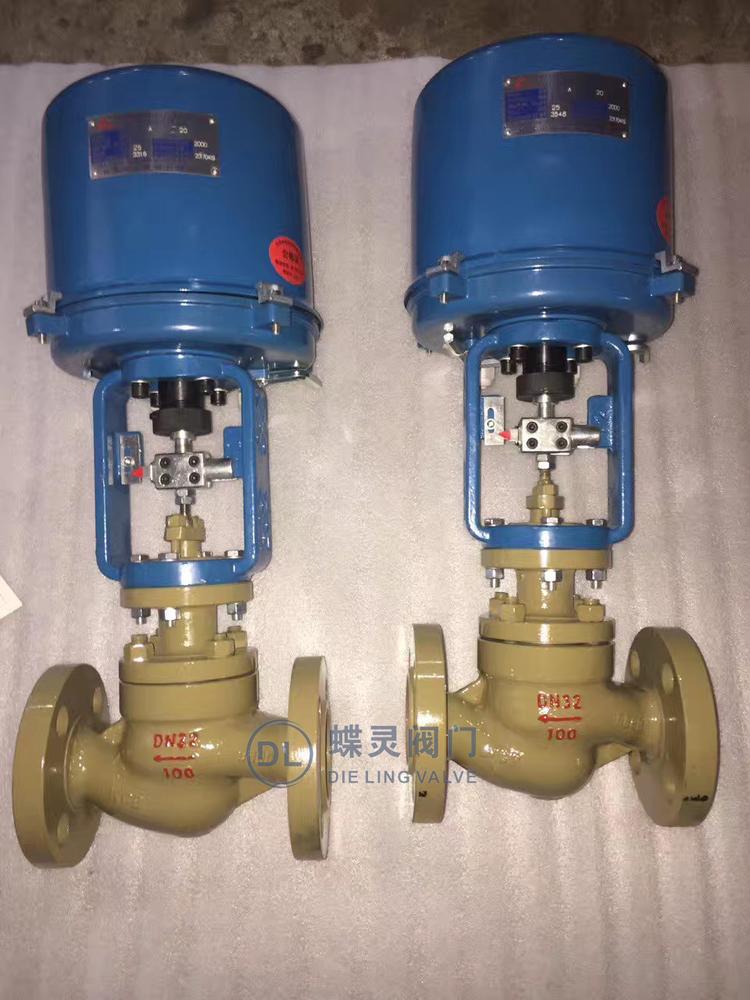
Programmable control valves are usually composed of three parts: the actuator, the valve body, and the controller. The actuator is responsible for driving the opening and closing of the valve, and there are three common types: electric, pneumatic, and hydraulic; the valve body is used to control the flow and flow rate of the fluid; the controller is responsible for receiving signals and controlling the actuator's action according to the preset program.
Its working principle is based on closed-loop control theory. The controller receives feedback signals from sensors (such as flow, pressure, etc.), compares them with the set values, calculates the deviation, and then outputs the corresponding control signals to the actuator to adjust the valve opening to achieve the expected control effect.
Two, Setting steps of program control valves
1. Determine control objectives and parameters
Before setting the program control valve, it is first necessary to clarify the control objective, such as controlling flow, pressure,
or temperature, and understand the characteristics of the controlled object, such as maximum flow, working pressure range, medium type, etc.
2. Connection and initialization
Connect the program control valve to the control system, ensure that the power supply, signal lines, and gas source (such as for pneumatic types) are connected correctly. After connecting the power supply, perform initialization settings, including language selection and unit system setting.
3. Set
control mode
Program control valves generally provide various
control modes, such as manual control, fixed value control, and program control. Select the appropriate control mode according to the process requirements.
4. Input set values and PID parameters
In program control mode, users need to input the set values (such as target flow or pressure values) and PID parameters (proportional, integral, differential). The setting of PID parameters is the key to optimizing the performance of the control valve and should be debugged and adjusted according to the actual operating conditions.
5. Program editing
and downloading
For application scenarios that require periodic changes in control parameters, programming functions can be used to set the correlation between time and control values. For example, different valve opening values can be set at different time periods to meet the needs of process changes. After editing, download the program to the controller.
6. Operation and debugging
After starting the equipment, observe the control effect, check the stability of the feedback signal through the monitoring system, and make fine adjustments to the PID parameters if necessary to achieve the optimal control effect.
Three, Setting precautions
- Parameter matching: Ensure that the set parameters are matched with the on-site equipment capabilities to avoid equipment damage due to over-range control.
- Safety protection: During the setting process, attention should be paid to the system safety interlock mechanism to ensure that the valve can automatically close or enter a safe state in abnormal situations.
- Regular maintenance and calibration: After a period of operation, program control valves may deviate due to environmental changes or component aging, so regular maintenance and calibration are required.
Four, Conclusion
With the continuous improvement of industrial automation levels, the application of program control valves has become more and more extensive. Their precise and intelligent control characteristics make them play an irreplaceable role in the modern industrial production process. Mastering the setting method of program control valves is not only helpful for improving the control accuracy of the system, but also for enhancing production efficiency and safety. Therefore, for engineering and technical personnel, a deep understanding and proficient mastery of the setting and debugging skills of program control valves are an important foundation for ensuring the stable operation of the system.

