One, Structure and Principle of Local Regulating Valve
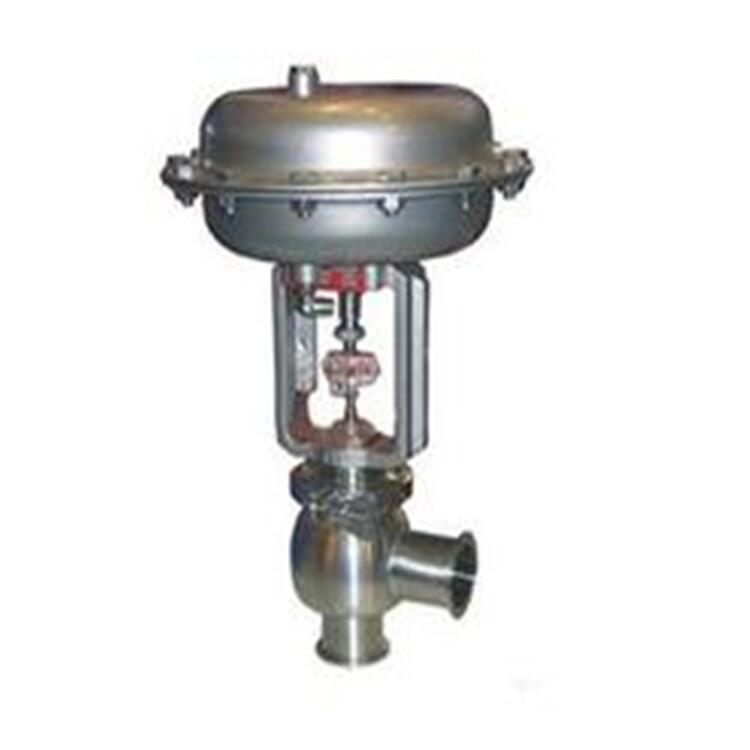
Regulating valves are mainly composed of two parts: the actuator and the valve body. The actuator drives the valve core movement according to the control signal (such as pneumatic, electric, or hydraulic) to adjust the parameters such as medium flow and pressure. Under normal circumstances, the valve adjusts the opening through the control system. However, when manual operation is required, it is usually realized through the manual operation device on the actuator.
Two, Applicable Scenarios of Manual Operation
1. System debugging stage: After the equipment is installed, and the control system has not been fully put into operation, manual operation is needed to debug the valve initially.
2. Control system failure: When the control signal is interrupted, the actuator fails, or other electrical problems cause the valve to be unable to be automatically controlled, the manual operation should be switched to maintain system operation.
3. Maintenance and inspection: During the maintenance process, to ensure safety, it is sometimes necessary to lock the valve at a certain opening, which is convenient for maintenance of upstream and downstream equipment.
4. Emergency situation handling: In case of emergencies, rapid manual adjustment can prevent the expansion of accidents and ensure the safety of personnel and equipment.
Three, Specific Methods of Manual Operation
Taking the common pneumatic diaphragm regulating valve as an example, its manual operation is usually carried out through the handwheel on the actuator:
1. Switch to Manual Mode
Some pneumatic actuators are equipped with an "automatic/manual" switching mechanism. Before operation, the mechanism should be switched to the "manual" position to disconnect the connection with the automatic control system.
2. Rotate the handwheel to adjust the opening
Clockwise rotation of the handwheel is generally the direction to close the valve, while counterclockwise rotation is the direction to open it. The operation should be carried out slowly, and attention should be paid to the observation of the valve position indicator or process parameter changes to avoid system fluctuations due to rapid adjustment.
3. Maintain Valve Position
After the manual adjustment is in place, some actuators can be locked with locking devices to prevent changes in valve position due to vibration or accidental operation.
4. Restore Automatic Control
After the manual operation is completed, the switching mechanism needs to be restored to the "automatic" state, and the control system is notified to take over the regulating function again, while checking whether the valve position has returned to normal control.
Four, Operation Precautions
- Confirm the system status before operation, and communicate with the control room if necessary to ensure that the operation will not affect the overall process.
- Pay attention to personal safety and avoid forceful operation under high pressure or high-temperature media.
- Slowly adjust during operation to prevent sudden changes in flow or pressure from damaging the equipment or causing safety accidents.
- For electric actuators, some models also have manual operation modes, and the power supply must be cut off before operation to prevent accidental operation.
Five, Conclusion
Although modern industrial systems are highly automated, manual operation is still one of the indispensable functions of regulating valves. Mastering the correct manual operation method is not only helpful in dealing with emergencies but also plays an important role in equipment debugging and maintenance. Therefore, relevant operators should be familiar with the manual operation steps of various regulating valves and strengthen training and
practice in daily work to enhance their ability to deal with complex working conditions.

